When it comes to transforming the exterior of a building, facade mesh is a versatile option that offers both aesthetic and protective benefits. Across the world, from bustling urban centers to quaint countryside cottages, these innovative materials are being utilized to enhance homes with both style and functionality. In this article, we delve into the types of facade mesh, their myriad benefits, and the installation process that ensures they integrate seamlessly with your home’s design.
Understanding Facade Mesh: An Overview
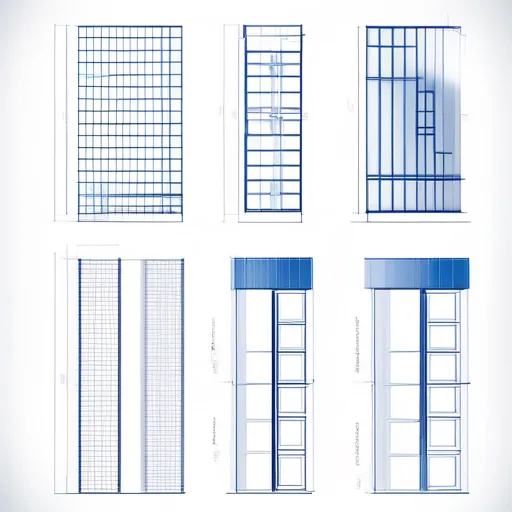
Facade mesh serves as a barrier, protecting buildings from external environmental influences while also improving thermal insulation. It’s not just about utility; the aesthetic enhancement cannot be overstated. Over recent years, it has gained popularity for residential and commercial buildings alike, promising both durability and an engaging visual flair.
Different types of facade mesh materials are available based on their application needs. Options range from stainless steel to aluminum, each offering unique advantages. For instance, stainless steel is renowned for its robustness and long life, whereas aluminum boasts a more lightweight, flexible nature suitable for creative architectural designs.
Consider the benefits of facade mesh through the lens of contemporary architecture. It’s not merely a cover-up but rather an integral part of the building’s facade that coexists with traditional design elements. The mesh can reflect an architect’s intent—be it minimalism, futurism, or sustainability.
According to the construction industry data, buildings equipped with facade mesh achieve approximately 25% better thermal performance compared to those without.
- Improves thermal insulation
- Enhances building aesthetics
- Protects from environmental damage
- Versatile in design application
Types of Facade Mesh
Choosing the right type of facade mesh can transform how a building interacts with its environment. Stainless steel mesh is a popular choice due to its high resistance to corrosion and appealing industrial look. It suits modern design needs while providing weather protection, ensuring longevity.
For those seeking a lightweight option, aluminum mesh offers a fantastic balance between strength and aesthetic appeal. Its reflective properties also contribute to energy savings by reducing heat absorption, making it a wise choice for environmentally conscious homeowners.
Fiberglass mesh, on the other hand, emerges as a cost-effective solution that excels in facades exposed to harsh weather. This mesh type assures flexibility, is resistant to alkaline environments, and can be painted to match the exterior design.
With these options, selecting a facade mesh aligns with not just practical considerations but also personal taste and vision for your home. For a harmonious interior design that parallels your creative exterior, consider ideas for Bamboo in the apartment.
- Stainless Steel
- Aluminum
- Fiberglass
- Copper
Installation: A Critical Step
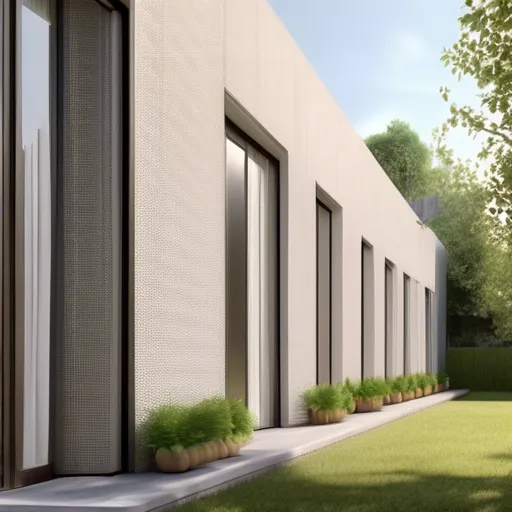
The installation of facade mesh demands precision and understanding of both the material and the architectural structure. Professional installation ensures that the mesh serves its purpose: protecting and beautifying effectively. Errors in installation could lead to compromised integrity.
Before installation, assess the building’s structural requirements. The mesh should be anchored securely to withstand environmental stressors such as wind and rain. The spacing and tension of the mesh play crucial roles in its effectiveness over time.
Tools and techniques used in installation vary based on the mesh type. Whether the choice is mechanical fastening or framing techniques for aluminum mesh, this process needs attention to detail from start to finish. Incorrect installation could detract from rather than contribute to energy efficiency.
Expert tip: Opt for a certified installer to ensure the mesh is tailored exactly to your building’s specifications, significantly boosting its lifespan.
- Assess structural requirements
- Choose appropriate fastening method
- Ensure proper tension and spacing
- Conduct regular maintenance checks
Facade Mesh and The Environment
In a world increasingly aware of environmental impact, facade mesh not only enhances beauty but contributes positively to sustainability. By adjusting the thermal dynamics of a building, it aids in reducing energy consumption, a key factor in today’s eco-friendly building philosophy.
This sustainable feature is particularly evident in aluminum and copper meshes, which are both recyclable. These designs incorporate innovative patterns that allow for natural ventilation, further reducing reliance on air conditioning.
Furthermore, facade mesh can serve as a platform for vertical gardens, marrying ecological benefits with contemporary aesthetics. This dual-purpose application highlights the mesh as both a protective and nurturing facade.
This approach is mirrored within interiors, where green design options continue to gain momentum. For a smooth design transition, try exploring Wall decoration in the hallway for insightful ideas on eco-conscious indoor plans.
- Reduces energy consumption
- Recyclable materials
- Promotes natural ventilation
- Supports vertical gardening
The Cost Factor: Investments and Returns
The question of cost inevitably arises when discussing facade mesh. While the initial investment may appear significant, the long-term savings on energy and maintenance should not be underestimated. Facade mesh serves as a protective layer, reducing maintenance costs on the actual building facade over time.
Lower utility bills, thanks to improved thermal efficiency, are another compelling reason for considering facade mesh. Particularly in climates with extreme temperatures, the insulation properties of the mesh become invaluable.
| Type of Mesh | Initial Cost | Long-term Savings | Maintenance |
|---|---|---|---|
| Stainless Steel | High | Significant | Low |
| Aluminum | Moderate | Moderate | Low |
| Fiberglass | Low | Moderate | Moderate |
| Copper | High | High | Low |
The initial cost can vary dramatically depending on the choice of material, but the hallmark of a wise investment is understanding the balance between cost and long-term benefits. Always weigh the upfront expenditure against potential savings, whether in the realm of energy efficiency or lower upkeep requirements.
If budget is a concern, consider exploring various financing options. Much like vehicle purchases, where options are vast, assessing returns on investment is a thoughtful financial strategy. Dive deeper into such discussions, akin to evaluating your complete guide to buying a used Renault Zoe.
Statistic: Facade mesh can reduce exterior maintenance costs by up to 40% over a building’s lifespan.
- Long-term energy savings
- Lower maintenance costs
- Varied initial investment levels
- Potential financing opportunities
Common Mistakes with Facade Mesh
Investing in facade mesh is not just about product selection. Mitigating common pitfalls during installation and usage is critical to maximizing benefits. Many homeowners overlook the importance of proper installation, which can lead to issues like sagging or tearing over time.
Another mistake is neglecting routine maintenance, crucial for spotting any potential issues early. This is especially pertinent in regions with challenging weather conditions, where regular upkeep can prolong the life and efficiency of the mesh.
Some individuals choose cheaper products without considering long-term implications. While budget-friendly options might seem appealing initially, they often lead to increased expenses over time, negating any short-term savings. Replacing inferior mesh prematurely piles on avoidable costs.
Lastly, aesthetic mismatch remains a subtle mistake. Choosing a mesh type that clashes with the existing architectural style of the building can disrupt visual harmony. Therefore, a stabilizing blend of form and function must steer decisions.
- Improper installation
- Neglected maintenance
- Cutting initial costs at quality’s expense
- Clashing design choices
Conclusion: Steps Toward a Durable and Beautiful Home Exterior
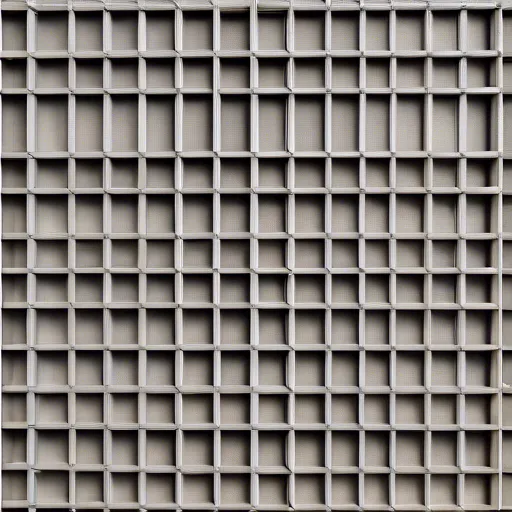
In summary, facade mesh offers substantial benefits that extend beyond mere aesthetics, presenting valuable solutions for energy efficiency and sustainability. By selecting the right type and ensuring proper installation, homeowners can achieve longevity in both the visual and functional aspects of their property.
Whether navigating through the various mesh materials such as stainless steel, aluminum, or fiberglass, a strategic approach remains vital. Evaluate the specific climatic and structural needs of your home, bearing in mind the long-term savings incurred through energy efficiency.
Explore nuances in design; visualize your facade as a canvas that reflects not only personal style but also environmental consciousness. In a world where design boundaries continually expand, facade meshes serve as a powerful tool in the toolkit of modern architecture—cleverly blending resilience with elegance.
This seamless amalgamation of practicality and style emphasizes the versatility of facade mesh. Like an artist that sees beauty in structure and strength in creativity, facade meshes advocate for both the protection of our homes and the celebration of innovative design.
“`html
FAQ
What are facade meshes?
Facade meshes are protective coverings for buildings, enhancing thermal insulation and providing exterior protection.
What benefits do facade meshes offer?
They improve thermal insulation and shield homes from environmental factors like wind and rain.
How are facade meshes installed?
Installation involves securing the mesh to the building’s facade, usually by professionals.
What types of facade meshes are available?
There are various types designed for different climates and aesthetic purposes, catering to diverse building needs.
“`