The mere thought of flat roofs can sometimes evoke a debate among homeowners and builders concerning water management systems. One prevailing question is choosing between internal and external gutters for flat roofs. These aren’t your typical concerns; they require a detailed dive into practicality, aesthetics, and functionality. So, let’s unravel each thread with the precision of a seasoned investigative journalist.
Introduction to Flat Roof Gutters
When discussing flat roofs, it’s crucial to touch on the significance of drainage solutions to prevent water accumulation. Without adequate gutter systems, rainwater can pool, leading to a swift deterioration of roofing materials. It’s a common yet catastrophic oversight, commonly resulting in costly repairs or replacements.
But not all gutter systems are created equal. For flat roofs, two types predominantly are implemented: internal and external options. Each bears distinctive traits that make them suitable for different needs and preferences. Knowing their specifications can guide you toward making the right choice for your home.
The charm of a properly installed gutter system lies not only in its functionality but also its ability to enhance your roof’s aesthetic. In this role, it serves as an unsung hero, elegantly blending into the overarching architectural style while performing its vital function unnoticed.
Understanding the nuances of these gutter systems can seem daunting. However, by recognizing basic principles, you can foster an appreciation for their roles in both form and function, transforming them from must-haves to desirable elements of roof design.
Internal Gutters for Flat Roofs: A Closer Look
Internal gutters are ingeniously integrated within the walls or roofing structures. Think of them as a stealthy drainage system, operating largely out of sight. This marriage between utility and invisibility makes them an intriguing option for modern homes, where minimalist aesthetics reign supreme.
Such systems tend to be preferred by architects who wish to maintain a clean facade free of external fixtures. However, the hidden nature of internal gutters means maintenance must be preemptively planned, as accessing them for repairs can be more challenging than with their external counterparts.
An efficient internal gutter system often includes heated elements to prevent freezing water buildup, especially in colder climates. It’s akin to installing a heating system for your roof, a worthy investment for homes in areas prone to ice and snow.
Fact: “Internal gutters provide a sleek appearance but require methodical planning to ensure optimal performance and accessibility for maintenance.” — Roof Design Weekly
While internal gutters are favored for their discreet appearance, they can incur higher upfront costs. Homeowners must weigh this against potential long-term savings by protecting the roof’s lifespan and reducing exterior maintenance.
External Gutters: Versatile and Visible
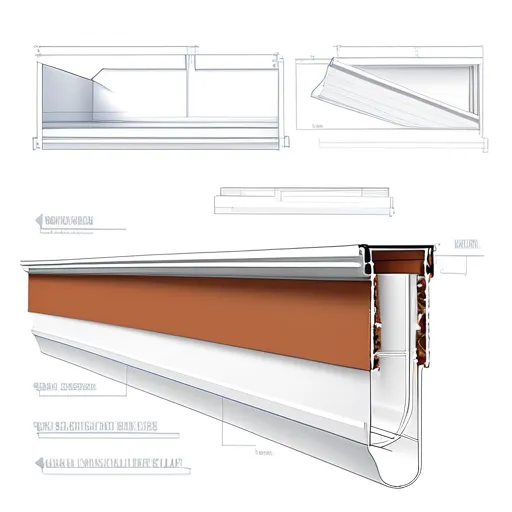
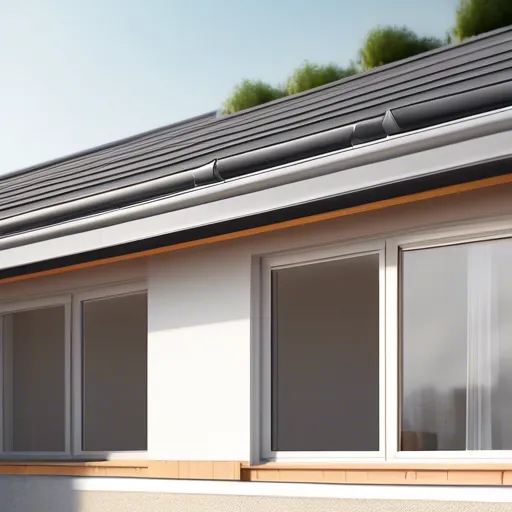
On the other hand, external gutters are visible components attached along the edges of a roof. Their obvious presence gives an opportunity to enhance roof aesthetics with a variety of materials and finishes, such as copper, aluminum, or galvanized steel.
External systems are generally easier to install and repair, as they are more accessible compared to their internal counterparts. This ease of maintenance is a big draw for homeowners looking for simplicity and reliability.
Observation: “External gutters are like the Swiss army knife of roofing; functional, versatile, and available in various style options to suit any aesthetic.” — Home Design Trends
Besides aesthetics and functionality, consider local climate and weather patterns when choosing between gutter types. External gutters may face blockage from debris, especially if trees overhang the roof, necessitating regular cleaning to maintain optimal performance.
This option provides an accessible solution for homeowners prioritizing straightforward maintenance. You might think about how this role might impact additional aspects of home design, like sliding wardrobes, as seen in this guide to Sliding wardrobe: 50 interior photos, styles and creative design solutions.
Comparing Internal and External Gutters: A Key Decision
With such varied benefits and considerations, let’s contrast these gutter systems in a tangible way. Consider a comparison as you would the different classifications of sofas: Sofas in the interior: classification, mechanisms, style, shades and differences from other models. Each offers different features to match individual preferences.
A thoughtful analysis can sometimes be best displayed in table form:
| Feature | Internal Gutters | External Gutters |
|---|---|---|
| Aesthetic Impact | Low visibility, Minimalist | Visible, Can be Decoratively Enhanced |
| Installation Complexity | High | Moderate |
| Maintenance Ease | Challenging | Easy |
| Cost | Higher Initial Cost | Lower Initial Cost |
| Suitability in Cold Climates | Good with Heating Elements | Prone to Ice Blockage |
It’s clear that choosing between internal and external gutters requires suite-like customization. Your preferences for aesthetics, maintenance, and budget will all sway your decision. Ensure to ask relevant questions and triangulate with expert advice.
Common Pitfalls and How to Avoid Them
When it comes to installing gutters for flat roofs, homeowners often fall into a few common mistakes. Understanding these pitfalls can save money and headaches, ensuring a more durable and efficient system.
One typical error is neglecting regular maintenance. External gutters can become clogged with leaves and debris, while internal systems can suffer hidden blockages without regular checks. Scheduling consistent maintenance is crucial for longevity.
Expert Tip: “Regular inspections can avert major damages. Consider pairing gutter checkups with other home checks, such as a stylish black and white bathroom overhaul: Stylish Black and White Bathroom: Over 50 Photos and Design Ideas.” — House Maintenance Monthly
Another challenge is improper slope. Gutters must be correctly pitched to allow water to flow efficiently. This is a key aspect often overlooked by DIY enthusiasts, so professional installation is recommended for a worry-free experience.
Water damage is a notorious problem, resulting from either overflow due to clogs or incorrect installation. These issues underline the importance of holistic planning and foresight in the maintenance regime you’re adopting.
Technological Advances and Current Trends
The world of gutter systems isn’t immune to technological innovation. Manufacturers are continuously developing new materials and designs to enhance functionality and sustainability, reflecting the broader trends in the construction and home improvement sector.
Today’s offerings include gutters built from recycled materials, embracing a push toward eco-friendly construction. These environmentally-conscious choices resonate not just with green-minded homeowners but with anyone invested in long-term durability.
The evolution in technology sees integration with other smart home systems. This can include sensors that alert homeowners when clogs occur or when inevitable maintenance periods arise. Although these advanced systems require a steeper initial investment, they offer peace of mind and efficiency in long-term use.
Moreover, styles are evolving with exterior designs shifting toward contemporary aesthetics where minimalist and geometric forms are trending. Akin to the recent focus in interior decor on eclectic and diverse furnishings like sliding wardrobes found in Sliding wardrobe: 50 interior photos, styles and creative design solutions. Choosing gutter systems that align with these styles can complement the overall look of your home.
Conclusion
Selecting gutters for flat roofs requires deliberate consideration of multiple factors. Balance not just cost and maintenance, but also aesthetic coherence with your home’s architecture. Whether through internal gutters that disappear from view or external systems that create a visual compliment, the choice speaks volumes about design priorities.
The ultimate decision is a blend of pragmatic necessity and personal taste. As the roofing industry advances, so too will your options—making this choice both a nuanced art and a science. Be armed with all these insights as you stride confidently into the world of home improvement and let it reflect in every corner of your home, much like your choice of furniture and style innovations.
“`html
FAQ
What are internal gutters for horizontal roofs?
Internal gutters are installed within the roof structure, keeping them hidden and providing an unobtrusive drainage solution. They are particularly suitable for modern architectural designs where aesthetics are important.
How do external gutters differ from internal ones?
External gutters are mounted on the edge of the roof, visible from the exterior. They are easier to access for maintenance and potential repairs compared to internal gutters.
Which gutter type is easier to maintain?
External gutters are generally easier to maintain as they are easily accessible for cleaning and repairs. Internal gutters may require specialized maintenance due to their placement within the roof structure.
What factors influence gutter choice for horizontal roofs?
Factors include aesthetic preferences, ease of maintenance, and architectural design. Homeowners should also consider the climate and potential rainfall to ensure effective water drainage.
“`