When it comes to home design and structure, the humble interfloor ceiling—an often overlooked element—serves as much more than just the horizontal divider between levels. It plays a crucial role in creating the strength and comfort of our living environments. From acting as a barrier against sound to ensuring thermal regulation, these slabs are the unsung heroes we’ve been stepping on, literally. So, let’s take a deeper dive into the world of floor slabs: understanding their types, characteristics, and benefits can transform how you think about your home structure.
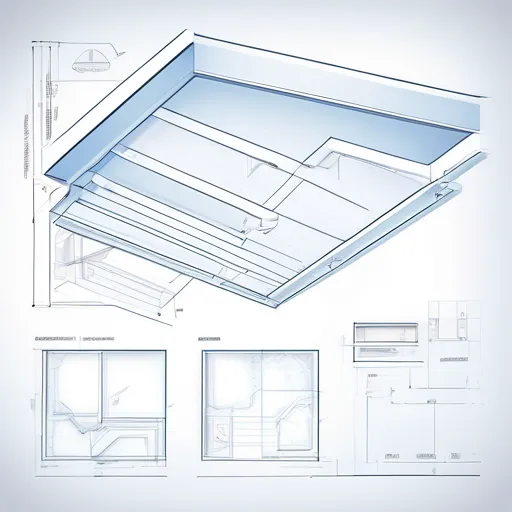
Types of Floor Slabs: An Overview
Interfloor ceilings come in various types, each catering to different architectural needs and preferences. The choice often depends on factors like structural load, cost, and aesthetics. The most common types include solid slabs, hollow core slabs, ribbed slabs, and waffle slabs. Each of these offers unique benefits and can be adapted for different spaces.
Solid slabs are the most familiar, used extensively in residential and commercial buildings. These monolithic slabs provide excellent load-bearing capabilities and are frequently used for elevated structural floors. For those looking for strength, this is the go-to choice.
Then there are hollow core slabs. These are highly efficient in terms of material use and offer superb insulation properties due to their design — a series of core voids run through the length of these concrete slabs.
Another popular option is ribbed slabs, which include two-way spanning systems. The ribs offer strength while reducing the amount of concrete needed, combining cost-effectiveness with design flexibility. Finally, waffle slabs are like ribbed slabs but feature a grid pattern of ribs; these too offer considerable load-bearing capability while adding an architectural aesthetic.
- Solid Slabs: Suitable for heavy loads
- Hollow Core Slabs: Great for insulation
- Ribbed Slabs: Economical and strong
- Waffle Slabs: Stylish and effective load distribution
Celebrities and high-profile architects often use waffle slabs in their designs for their aesthetic value and efficiency in modern interior designs.
Key Characteristics of Interfloor Ceilings
The characteristics of interfloor ceilings vary significantly with material and design choice. For instance, their thermal and acoustic properties can make or break a comfortable living environment. Choosing the right ceiling for your home’s climate and acoustical needs should be a high priority in your planning.
Beyond thermal and sound characteristics, load-bearing capacity is a critical feature. The decision-making process involves balancing the ceiling slab’s strength with other factors such as cost and space utilization. Solid slabs offer the greatest strength but come with increased weight and material costs.
Resilience to environmental factors such as moisture and temperature fluctuations also determine which type of ceiling slab will suit your needs. Technology has advanced to allow various treatments and coatings that enhance these properties, adapting slabs for both interior and exterior uses.
Energy efficiency should, likewise, not be overlooked. Advances have made it possible for floor slabs to contribute to a building’s sustainability by incorporating reflective or heat-absorbent materials. This can significantly reduce energy bills, as well as a home’s carbon footprint.
- Thermal and Acoustic Insulation
- Load-Bearing Strength
- Environmental Resilience
- Energy Efficiency
“Proper planning and choice of interfloor ceilings can lead to significant savings in heating and cooling costs,” says John Miller, a renowned architect from the Eco-Build Institute.
Advantages of Different Floor Slab Types
Each type of interfloor ceiling comes with a set of advantages, guided by practical and aesthetic concerns. Solid slabs, for instance, are preferred for high-load bearing applications. They are commonly used in areas intended for heavy traffic and substantial furniture, such as commercial establishments.
The hollow core slabs, conversely, can be perfect for residential buildings where sound insulation, cost, and thermal efficiency are primary concerns. The voids within these slabs can also be used for routing electrical and plumbing services, saving time and costs in installations.
For those interested in architectural style points, waffle and ribbed slabs offer appealing architectural aesthetics. They can be left exposed, providing a modern industrial look that is very much ‘in vogue’ in today’s design circles.
Finally, with sustainability becoming an increasingly fundamental element in home design, many homeowners are turning towards inventive use of floor slabs to contribute to a greener living space.
- High Load-Bearing Capability: Solid Slabs
- Insulation and Cost Savings: Hollow Core Slabs
- Aesthetic Appeal: Waffle and Ribbed Slabs
- Sustainability: Innovative Use of Materials
Common Mistakes in Choosing Interfloor Ceilings
One of the most typical mistakes is choosing a slab type without proper consideration of its intended use or the potential loads it may bear. It’s essential to evaluate how the space will be used before deciding on slab type.
Another frequent oversight is neglecting the climatic and acoustic properties needed for the setting. Soundproofing might not be a primary concern for a basement but could be crucial for rooms where noise could disrupt activities or rest.
The aesthetic factor, though more subjective, should not be ignored either. Opting for a slab intended for its functional properties but too mundane for an exposed design concept can result in increased costs later as one attempts to embellish what could have been an architectural feature.
Finally, overlooking the cost implications of each slab type can lead to budget overruns. Keep in mind that initial cost savings may lead to higher expenses down the line due to increased energy consumption or frequent maintenance needs.
“It’s not just about choosing a material; it’s about understanding the space and environment where it will be used,” says Laura Grant, an interior design expert.
Expert Opinions and Trends in Floor Slabs
The world of floor slabs is constantly evolving. Experts in the field are increasingly turning to sustainable technologies to enhance the performance of interfloor ceilings. This includes the use of recycled materials and the integration of smart technologies to improve energy consumption.
Design trends continue to reflect a push towards materials that perform environmentally and stylistically. The trend is driven by consumer demands for greener, more sustainable homes that retain a high degree of aesthetic appeal.
Moreover, as we move towards a more integrated smart-home ecosystem, the materials used in building and renovation are adapting. Floor slabs are now a component in smart heating and cooling systems, maximizing efficiency and comfort.
With these innovations, we are seeing a dynamic shift not only in how floor slabs function but also how they fit into broader design and architectural trends. Today’s slabs are setting tomorrow’s standards, making them worth a second glance.
- Sustainability and Recycled Materials
- Integration with Smart Home Systems
- Improved Energy Efficiency
- Aesthetic and Functional Trends
Comparative Analysis: Choosing the Right Floor Slab
| Slab Type | Advantages | Best Use Cases |
|---|---|---|
| Solid Slab | High load-bearing, durable | Commercial floors, heavy load zones |
| Hollow Core Slab | Insulation, cost-effective | Residential buildings |
| Ribbed Slab | Material efficient, design flexibility | Architectural spaces with design emphasis |
| Waffle Slab | Aesthetic, load distribution | Architectural statement pieces |
The Role of Floor Slabs in Home Design
From the holistic perspective of home improvement, the role of floor slabs extends beyond mere functionality. They are key in creating a living space that is not only structurally sound but also aesthetically pleasing. Might we dare to imagine a living room setup where the floor slab’s design complements the placement of TV and fireplace? With intentional design and innovative use of materials, floor slabs are asserting themselves as integral to interior design.
Indeed, slabs enhance the long-term sustainability and efficiency of a home. Painting a ceiling isn’t just an aesthetic choice; it’s a way of harmonizing a living space with the environmental needs it faces daily. From a compact kitchen where structural choices play a vital role in functionality, there are numerous stylish ways to store coffee and tea profiting from efficient space usage to habitable, vibrant rooms.
The future lies with an understanding of the ceiling slab’s potential and application, integrating functional needs with contemporary interior styles. Whether it’s the durability required for kitchen fittings or the need for aesthetic designs that partner with exposed beams or fixtures requiring specific curtain fastenings, the role of floor slabs has expanded significantly.
Floor slabs are no longer just the foundation beneath our feet but a cornerstone in the architecture of both our homes and our lifestyle aspirations. Considering them an active player in home design might just transform how you approach your next renovation or build project.
FAQ
What are floor slabs?
Floor slabs are structural elements used to create flat surfaces in buildings. They provide strength and stability while supporting the weight of the building and occupants.
Why are different floor slab types important?
Different floor slab types are important because they cater to various structural requirements and conditions. Choosing the right type can enhance comfort and safety in a building.
How do floor slabs enhance comfort?
Floor slabs enhance comfort by providing a stable and level surface underfoot. Proper insulation and material choice can also contribute to thermal comfort and soundproofing.
What benefits do floor slabs offer homeowners?
Floor slabs offer homeowners durable and long-lasting surfaces that are key to the structural integrity of a home. They also contribute to the overall comfort and efficiency of the living space.