Imagine you’re standing in front of your home, gazing affectionately at its structure. Your eyes drift upwards towards the rooftop, pondering its importance not just as a shield against the elements, but as a pivotal design element in itself. Welcome to the world of soft roofing, a paradoxical blend of durability and elegance in home improvement. If you’re exploring roofing options, understanding the strengths and weaknesses of a soft roof is crucial before grabbing a hammer or hiring a contractor.
Understanding Soft Roof: What Is It Really?
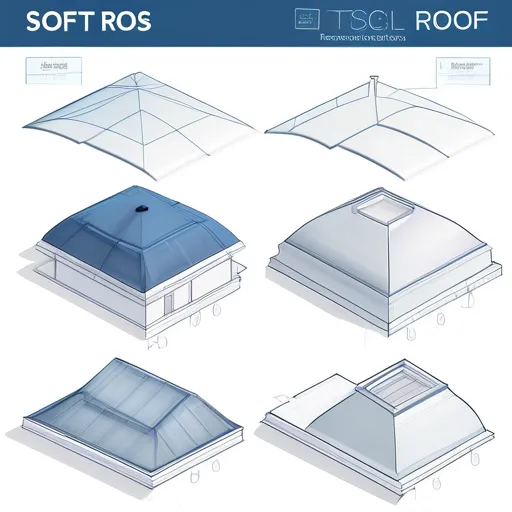
Soft roofs, often known as flexible roofing, are increasingly becoming a popular choice among homeowners who prioritize adaptability and design flexibility. But what exactly constitutes a ‘soft’ roof? The term generally refers to materials such as asphalt shingles, rubber membrane, or other composite materials that offer more pliability compared to traditional hard tiles.
The attraction of a flexible roof comes from its ability to wrap lovingly around complex building designs. Whether your home boasts elegant curves or juts of contemporary architecture, a soft roof can provide seamless coverage. That’s not all though; it also brings a welcome dash of creativity to mundane rooftops.
The journey towards understanding begins with scrutinizing the details—examining material options like bituminous shingles or rubber roofing. These constituents provide varying degrees of flexibility, strength, cost-effectiveness, and aesthetic potential. By comparing and contrasting soft roofing materials, one can better align choices with personal and architectural needs.
The history behind these materials is riveting. First emerging in the late 20th century, they were initially favored for their lightweight nature and cost-efficiency. Previously confined to industrial builds, they’re now a beloved choice in residential zones globally.
Advantages of Soft Roofing
Venture into the world of soft roofing, and you’ll swiftly comprehend its appeal. Foremost among its benefits is versatility. Because of their flexibility, these roofing materials can adapt to most architectural designs and geographical climes.
According to industry experts, flexible roofing can yield up to 30% in material and installation costs compared to traditional roofing methods.
Furthermore, the lightweight nature of these materials means less stress on the foundation. This factor not only enhances the longevity of structures but also significantly reduces maintenance requirements. Less weight often translates to better structural integrity, offering peace of mind to homeowners concerned with safety and longevity.
A noteworthy bonus is the soundproofing quality of flexible roofs. Those living in bustling urban jungles or noisy suburban areas might find solace in the way these roofs dampen noise levels, creating a serene indoor haven.
- Cost-effective material and installation
- Lightweight reduces structural stress
- Enhanced soundproofing
- Versatile designs adaptable to various climates
- Reduced maintenance requirements
Lastly, green-thinking individuals will appreciate environmental considerations. Many soft roof materials are made from recycled products, resonating well with eco-conscious homeowners. Nowadays, sustainability isn’t just a trend; it’s a necessity.
Disadvantages of Soft Roofing
Despite its many virtues, soft roofing isn’t without pitfalls. Perhaps the most significant weakness lies in its lesser life span compared to traditional roofing materials like slate or metal. While they can hold their own for up to 20-25 years, they are outmatched by counterparts that promise over half a century of unwavering durability.
Moreover, in areas prone to severe weather, flexible roofs might not fare as robustly as their rigid counterparts. High winds, in particular, pose a formidable threat, potentially displacing or even destroying the material.
A study conducted by the National Roofing Contractors Association highlights that improper installation increases vulnerability to weather damage by up to 40%.
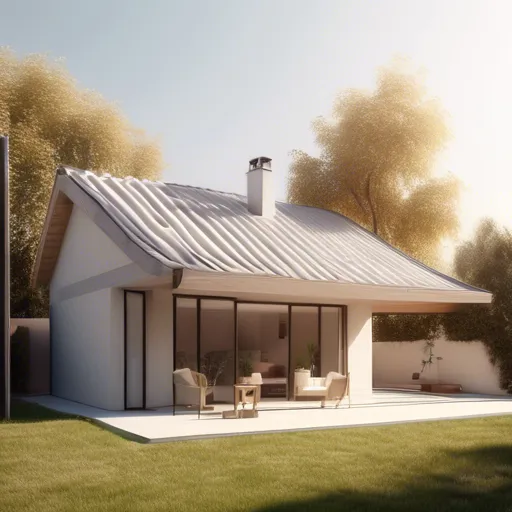
In some cases, aesthetics might take a back seat. While many find the simplicity of soft roofing attractive, others lament its inability to mimic the grandeur of natural stone or sophisticated metal roofs.
Maintenance remains another consideration. While the initial investment and upkeep are generally lower, vigilance is necessary to spot potential wear and tear promptly.
- Shorter lifespan compared to hard materials
- Vulnerability in extreme climates
- Limited aesthetic appeal for certain designs
- Requires regular inspections
- Possibility of improper installation issues
Creative Options in Soft Roof Design
Amid the plethora of choices, deciding how to style your roof can be both exhilarating and overwhelming. But fear not. The soft roof is a canvas awaiting your creative imprint. Whether inspired by bucolic rusticity or avant-garde minimalism, there’s a design approach suited to every taste.
One popular trend is the colorful roofing that adds vibrancy and personality. With color palettes ranging from muted earth tones to vibrant hues, the aesthetic possibilities are limitless. It’s a chance to express individuality and ensure your home stands out glamorously in a sea of conformity.
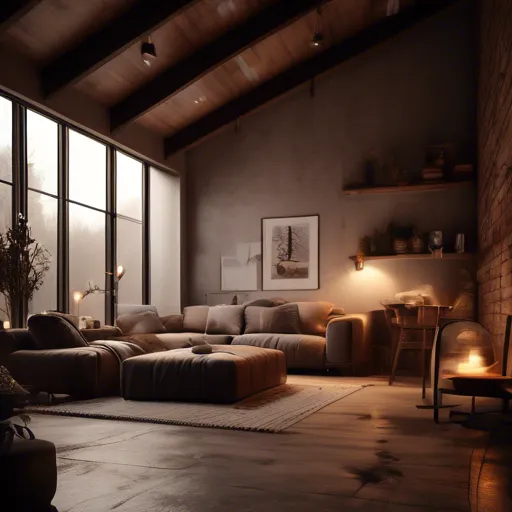
Textures, too, play a pivotal role. Choosing between a smooth matte finish or a textured surface can dramatically alter a home’s look and feel. A judicious choice will complement existing architectural elements and subtly harmonize the whole.
One designer suggests, “Combining textures from soft roofs with headboard designs creates thematic continuity in home aesthetics.”
- Colorful roofing materials for expressive designs
- Variety of textures for unique aesthetics
- Complementary designs to suit any architecture
Finally, soft roofing technology is perpetually evolving, driven by market demand for more authentic-looking materials that mimic traditional aesthetics without sacrificing functionality. This evolution ensures that homeowners have access to cutting-edge designs and practical solutions alike.
The Role of Soft Roofing in Energy Efficiency
Delving beneath its aesthetic appeal, a well-designed soft roof can also significantly impact energy efficiency. Often overlooked, the roof plays an essential role in home insulation, affecting heating and cooling needs year-round.
Materials in soft roofing are engineered to reflect sunlight rather than absorb it. This property is critical, especially during scorching summer months. By repelling solar heat, these materials reduce the need for air conditioning, slashing energy bills and minimizing environmental footprints.
Those residing in colder climes need not despair. Soft roofing can also lend itself to excellent thermal retention properties, keeping warmth inside during the chilly months.
| Material | Energy Efficiency | Lifespan |
|---|---|---|
| Asphalt Shingles | Moderate | 20-25 Years |
| Rubber Membrane | High | 25-30 Years |
| Bituminous Materials | Moderate-High | 15-20 Years |
A harmonious blend of thermal properties with sustainability has made today’s soft roofing a go-to for those conscious of both their wallets and the world. Caring for your rooftop garden adds yet another layer of eco-friendly living, integrating nature with modern technology.
Challenges and Solutions with Soft Roofing
Embarking on a renovation journey with soft roofing entails more than merely wielding a hammer and nails. Common challenges might include potential leaks, material uplift during storms, and occasional wear and tear.
Fortunately, such issues can be mitigated with meticulous planning and professional oversight. A skilled contractor can ensure that installation meets stringent industry standards, fortifying your home against the elements.
Regular inspections are equally paramount. Schedule periodic maintenance to nip minor damages in the bud before they evolve into significant problems.
Consider taking inspiration from a Scandinavian design approach by emphasizing minimalism and functionality.
- Engage Experienced Contractors
- Schedule Regular Maintenance
- Prioritize High-Quality Materials
- Embrace Eco-Friendly Options
Conclusion: Is a Soft Roof Right for Your Home?
The decision to opt for a soft roof ultimately hinges on multiple factors—budgetary constraints, design preferences, climate considerations, and longevity expectations. Armed with information, only you can decide if a soft roof aligns with your vision of a dream home.
By marrying practicality with aesthetics, soft roofing breathes new life into architectural aspirations, inviting homeowners to experiment with possibilities while considering environmental repercussions.
By leveraging current trends, these roofing systems continue to challenge norms, offering a dynamic blend of functionality, affordability, and aesthetic potential for every home.
“`html
FAQ
What are the pros of soft roofing?
Soft roofing is lightweight, flexible, and easier to install. It also offers good insulation and a variety of style options.
What are the cons of soft roofing?
Soft roofing may not be as durable as harder materials and can require more maintenance over time. It might also be less resistant to severe weather conditions.
What style options does soft roofing offer?
Soft roofing comes in various colors, shapes, and textures, allowing for diverse aesthetic customization. This flexibility makes it easier to match or contrast with existing home designs.
How to decide if soft roofing is right?
Consider your climate, maintenance preferences, and design goals. Weigh the pros and cons to see if they align with your priorities and budget.
“`