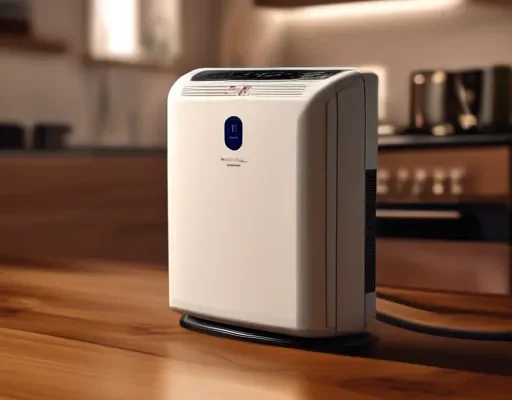
In the symphony of sneezes and itches that is allergy season, finding the right air purifier can be a harmony restorer. Ensuring the air inside your home is as crisp as a cool autumn morning not only elevates your comfort but can also be central to managing allergies. But with a plethora of gizmos claiming to eradicate everything from pollen to pet dander, how do you ascertain which will truly blanket you in fresher air? Let us embark on a journey sifting through the air waves, discovering what constitutes an exceptional air purifier for allergy sufferers.
Brief summary: This article delves into selecting the best air purifiers designed to alleviate allergies, exploring their features, benefits, and crucial considerations. We provide step-by-step guidance and highlight crucial factors to consider, ultimately aiding in making an informed choice for healthier indoor air.
What You Should Know About Air Purifiers for Allergies
At their core, air purifiers act as guards, corralling allergens like dust, pollen, and pet dander. The market is flooded with models boasting high-efficiency particulate air (HEPA) filters, but not all are equal in efficacy. Understanding the technology behind these purifiers can significantly enhance your decision-making. It is essential to recognize that a good HEPA filter should remove at least 99.97% of airborne particles as small as 0.3 microns. The beauty of modern filters lies in their capability to capture even the most minuscule particulates, thus providing genuine relief to those battling allergies daily.
Several factors must be weighed before purchasing, notably the room size and filter type. Purifiers are designed for different room sizes, and using a device meant for smaller spaces in a vast area might render it inefficient. Additionally, some purifiers include activated carbon filters to tackle odors, though they often require replacements more frequently than HEPA filters. Therefore, adapting these considerations into your purchase will ensure optimal performance.
Many purifiers today integrate advanced features such as air quality sensors, which adjust the fan speed according to pollutant levels. Though nifty, this can sometimes drive costs upward. Moreover, recent models may sport fancy digital displays providing real-time air quality insights, which though beneficial, aren’t always necessary. Therefore, it is vital to appraise the balance between technological need and economic viability when shopping.
Gaining a nuanced understanding of purifiers ensures you aren’t swayed solely by slick marketing. The most pleasing returns often come from marrying a filter’s technical prowess to your needs. As curiosity guides your search, acknowledge what works best for spaces you inhabit daily. In conclusion, discerning the critical components of an air purifier will augment its effectiveness in banishing allergens from your home terrain.
How to Choose the Right Air Purifier for You
Choosing an air purifier is akin to selecting a car; it’s about harmonizing style with utility. Notably, factors such as noise levels, especially if the appliance will hum in harmony with your quiet night’s slumber, require consideration. Sleeker models often boast quieter motors but sometimes come with heftier price tags. The key lies in selecting a device with a suitable noise level that matches your environment’s serenity narrative.
Beyond the auditory aspect, filter replacement schedules call for foresight. The average HEPA filter lifespan hovers around 12 months, but this can vary based on usage and air quality. Retaining optimal efficiency demands diligent adherence to maintenance schedules. Regular upkeep not only promotes longevity but also preserves efficacy, enveloping your ambiance in unwavering freshness.
The power consumption of an air purifier can affect your utility bills over time, so investigating energy-efficient models is prudent. Balancing performance with energy use is a fine art; the Energy Star rating is a worthy hallmark of efficiency. Therefore, diving into specifications can unravel both environmental and economic savings.
When evaluating purifiers, testimonials can offer valuable insights into user satisfaction, revealing strengths and potential pitfalls. Expanding your evaluation criteria to incorporate user ratings may unearth illuminating anecdotes and narratives. These lived experiences enhance the decision journey, ultimately leading you to a more gratifying purchase.
Understanding HEPA and Activated Carbon Filters
HEPA filters often top the allergen-capturing charts, renowned for their engineering finesse. They excel at seizing particles such as pollen, pet dander, and mold spores, making them a favorite for allergy sufferers. Despite their acclaim, it is crucial to recognize that not all purifiers with HEPA labels meet the same standard. Adherence to true HEPA specifications is paramount to ensure peak performance.
Simultaneously, activated carbon filters unravel an additional layer of air serenity by targeting gaseous pollutants and odors. These filters act as sponges for volatile compounds often imperceptible yet impactful. Their prowess shines in households dealing with smoke or cooking smells, though they necessitate more frequent replacements.
In practice, a harmonious blend of HEPA and carbon filters often yields the most comprehensive protection across a spectrum of particulates and odors. Models that creatively synergize these two often provide superior indoor air quality. Thus, grasping the interplay between these filters can significantly enhance your indoor atmosphere.
In conclusion, understanding both filters’ intricacies transforms you from a passive consumer into an informed advocate for air purity. Aligning their strengths with your needs embodies the essence of wise purchasing, delivering not only cleaner but more enjoyable living quarters.
When is the Best Time to Use Air Purifiers?
Timing is critical, much like harvesting a fresh crop; understanding when to employ your air purifier can affect its impact. Predictably, allergy seasons witness pollen and dust spikes, making purifier use critical during these months. Running your purifier continuously during spring or fall can shield your respiratory ivories from irritants. Aligning purifier use with known pollen spikes affords continuous allergen reduction in your habitat.
Simultaneously, immediate placement post-cleaning activities can aid in sweeping up residual dust and particulates. Apart from seasonal use, strategic placements near potential pollutant sources—like kitchens—enhance their utility. Implementing purifiers post-cooking serves as an action plan, vacuuming up lingering odors and activating an air-renewing process.
In higher polluted areas or homes with smokers, continuous use is advisable to maintain a pollution-free atmosphere. Conversely, in rural or less polluted regions, intermittent use can suffice without compromising air quality. Tailoring usage to suit environmental conditions garners both effectiveness and energy economy.
Apropos to time, the essence of purifier duty resides in strategic operation synchronizing with environmental demands. By synchronizing purifier operation with life’s temporal rhythms, homeowners can carve their haven into one steeped in fresh air. Culminating, the optimal time harnesses purifiers’ strengths, minimizing allergens and pollutive residues.
Step-by-Step Guide to Setting Up Your Air Purifier
Setting up an air purifier isn’t rocket science; think more along the lines of assembling flat-pack furniture without the Swedish cursing afterward. Locating the optimal spot takes priority, ensuring ample space for air to circulate freely. Avoid corners or obstructions, assigning the purifier a central command post in your room.
The next vital step involves filter installation, usually entailing either a twist or a clip. Handle new filters carefully, avoiding fingerprints that could mar their efficiency. After fitting, a gentle nudge to close secures the clean air covenant.
Once installed, configure settings, paying mind to fan speeds and timer settings matching your daily schedule. Here, test runs determine noise levels and environmental harmony; tweaking settings fine-tunes comfort. Having the purifier adjust to your rhythm rather than vice versa enhances its acceptance in daily life.
Regular filter maintenance must meld into the schedule—a bit like diaper changing for clean air babies. Create a schedule tracking usage and manufacturer-recommended maintenance intervals. In conclusion, meticulous setup heralds a multi-functional appliance dedicated to flavorful breathing spaces.
Understanding Costs: Is it Worth the Investment?
In assessing an air purifier purchase, discerning its financial weight against the feather of its health benefits becomes essential. A superb purifier doesn’t come cheaply; premium models can skim upward of several hundred dollars. However, its worth reflects less in monetary figures and more in the promise of fewer allergy-triggered inconveniences.
Filter replacements unavoidably add to the cost matrix; however, budgeting for these ensures sustained air freshness. Consumers ought to weigh filter costs and longevity when selecting their ideal unit. Balancing the initial investment with long-term costs elucidates the total financial package effectively.
Where centralized HVAC systems reign, traditional purifiers may lack complementary enhancement. Here, assessing necessity against functionality guides thoughtful allocation of resources. With strategic placement, purifiers serve bridging roles where whole-house filtration systems fall short.
Ultimately, investing in an air purifier proves not just a purchase but a pledge to health and ambient tranquility. Therefore, befitting selections resolve health concerns with air of conscientious financial foresight. The main idea is that an air purifier’s ultimate value transcends immediate fiscal boundaries, nurturing robust respiratory health.
The American Society of Allergy predicts that by 2025, over half of the global population will experience allergies, heightening the need for effective interventions like air purifiers.
The Importance of Room Size and Purifier Capacity
Room size isn’t just a vanity metric; it decisively shapes how effectively your air purifier performs. Your space’s aerial volume predicates the necessary purifier capacity to ensure thorough air filtration. Models crafted for varied room dimensions excel in efficiency when paired aptly.
Room-to-purifier capacity mismatches breed inefficiencies; an overmatched purifier in a vast room stands akin to a valiant soloist overpowered by an orchestra. Consequently, verifying purifier capacity aligning with room dimensions guarantees desired results. Selecting devices capable of circulating and purifying the entire room’s air enhances operational reliability.
To illustrate, compact models conveniently fit into smaller quarters like bedrooms or home offices but falter in stately living rooms. Conversely, models equipped for larger rooms risk overconsumption if deployed erroneously in confined quarters. Shrewd selections correlate with the room’s designed synergy, thus preserving energy without compromising filtration integrity.
Concluding, harmonizing room size with purifier capacity engenders beneficial and efficient purification. Contrary to dimension-defying drama, aligning a purifier’s capacity with spatial parameters transpires as key to unlocking an untainted environment.
Comparing Different Types of Air Purifiers
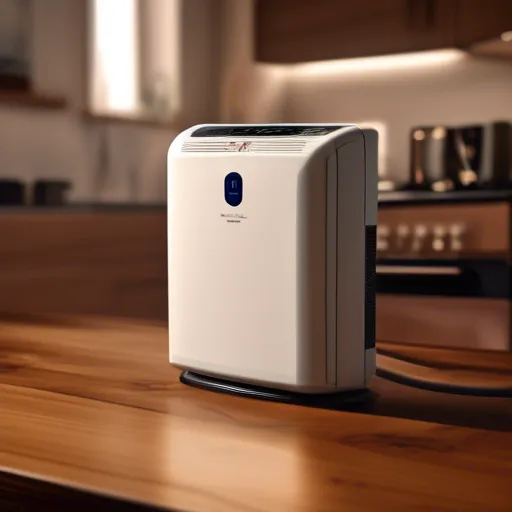
Varieties of air purifiers cater to divergent needs, each presenting unique characteristics worthy of exploration. These range from the lauded HEPA filter units to ultraviolet (UV) light purifiers promising to snuff out pathogens. Reflecting on their distinct strengths affords an astute purchasing decision.
HEPA-equipped units wield supremacy over physical allergen removal, their fibers trapping particles with exemplary efficiency. In contrast, activated carbon purifiers boast prowess in neutralizing odors and harmful gases often escaping detection. UV purifiers, though, specialize in munching microbial invaders, thus lending themselves well to pathogen-sensitive environments.
While ionic purifiers pose interest, their efficacy in removing allergens remains disputed, leading to occasional debates questioning their utility. In choosing the perfect purifier, it’s crucial to sift through your specific needs, mapping them onto the offerings of these respective technologies. Weighing advantages against limitations, aligning preference with necessity, assures informed air-quality enhancement.
In conclusion, exploring purifier technologies deepens appreciation for the elaborate mechanics ensconcing your air’s salvation. Thus, nurturing an understanding of varying purifier mechanisms enables a tailor-made air-cleaning odyssey aligning perfectly with personal priorities.
| Type | Key Strengths | Ideal Environment |
|---|---|---|
| HEPA Filter | Removes common allergens like dust and pollen | Homes with allergy sufferers |
| Activated Carbon | Neutralizes odors effectively | Households with strong smells, like smoke or cooking |
| UV Light | Targets microorganisms and bacteria | Environments requiring sterile conditions |
Expert opinion suggests combining different types of filters within a single purifier offers the most comprehensive air cleaning approach.
A real study found that households using purifiers reported a 60% reduction in allergy symptoms within two weeks compared to those without purification systems.
Alfa Romeo Secondhand Buying Guide provides useful insights, showcasing how detailed reviews can elevate consumer decision-making, akin to choosing home appliances like air purifiers.
Weighing Pros and Cons of Air Purifiers
Air purifiers come with an array of benefits but also shoulder certain drawbacks worthy of discussion. On the plus side, these devices can dramatically reduce indoor allergens, which in turn can lessen symptoms like sneezing and itchy eyes. Peace of mind is another less tangible benefit, knowing you’re breathing cleaner air, which can have a positive psychological impact.
However, there exist potential downsides, namely the recurring costs of filter replacements and electricity consumption. Some users might also find the noise level bothersome, though many modern purifiers are designed with this concern in mind. Moreover, while ideal for allergy sufferers, they are not a panacea for all air quality issues, necessitating realistic expectations in their potential.
Contemplating these dimensions allows for a balanced understanding of air purifiers rather than an idyllic perception. One must weigh the convenience and health improvements against financial implications. Striking this equilibrium will result in a more informed commitment to improving indoor air quality.
The main essence is that air purifiers, when aptly selected and used, signify a worthy investment in environment and well-being. Judging the pros against the cons reveals New Perspectives, refining the criteria dictating purifier decision-making.
For smaller living spaces, Studio Apartment Design Ideas 29 sq.m: 50+ Photos, Layouts and Projects highlights the advantages of compact yet efficient air purifiers, demonstrating how tailored solutions can maximize living quality.
- Choose your purifier based on room size and filter type.
- Understand HEPA and carbon filters for optimal performance.
- Evaluate costs, including initial purchase and maintenance.
- Strategically determine purifier operation times for best results.
- Research and select purifiers with comprehensive filtration systems.
“`html
FAQ
What is an air purifier and how does it help with allergies?
An air purifier is a device designed to remove contaminants from the air in a room. For allergy sufferers, it’s invaluable, as it filters out allergens like dust, pollen, pet dander, and mold spores. In practice, it is often noticeable that individuals with allergies experience fewer symptoms when using an air purifier in their home. Many experts agree that using a HEPA (High-Efficiency Particulate Air) filter is effective in trapping particles as small as 0.3 microns, which include most common allergens, thereby reducing the risk of allergy flare-ups.
How do I choose the right air purifier for my needs?
Choosing the right air purifier involves considering room size, type of filter, noise level, and cost. In real households, this moment is often underestimated, leading to purchasing an underpowered unit. Calculate the size of the room where the air purifier will be used and make sure the device’s capacity matches or exceeds it. HEPA filters are recommended for allergies. Consider noise levels, especially if the purifier will be in a bedroom. Lastly, balance initial cost with ongoing filter replacement expenses. Many users find that spending slightly more upfront reduces long-term operational costs.
When is it appropriate to use an air purifier?
It’s appropriate to use an air purifier in various settings, particularly homes with limited ventilation, urban apartments, and houses near busy roads. When pollen counts are high, or during allergy seasons, an air purifier can provide significant relief. In practice, allergy sufferers often notice immediate benefits when using an air purifier consistently during these peak periods. For those living in older homes with potential mold issues, air purifiers can be part of integrated solutions to enhance indoor air quality. Even in modern renovations, they remain beneficial against everyday urban air pollution.
What are some common mistakes when selecting an air purifier?
A frequent mistake is choosing an air purifier that’s too small for the intended space. Users often underestimate room sizes, leading to inefficient air cleaning. Another error is ignoring filter replacement costs, which can accumulate over time. Many forget to check noise levels; a loud purifier can be disruptive, especially during sleep. Also, some overlook the importance of checking certification for allergens, thinking all purifiers are equal in this respect. In practice, it’s crucial to read reviews and select models with proven effectiveness for allergy reduction, rather than simply opting for the cheapest option.
What is the approximate cost of an air purifier for allergies?
The cost of an air purifier can range widely depending on features and brand. Entry-level models suitable for small rooms start around $100, while advanced models designed for larger spaces with additional features like smart sensors can exceed $500. In practice, users must also consider the cost of replacement filters, which can range from $20 to $100 annually, depending on usage and filter media. Investing in a mid-range model often proves cost-effective in the long run, as they usually have better durability and efficiency. Many people find that setting a reasonable budget and evaluating long-term costs helps them make an informed choice.
What are the advantages and limitations of using an air purifier?
Air purifiers offer the advantage of reducing allergens, thus alleviating symptoms for allergy sufferers. They enhance overall air quality, which is beneficial for long-term health. Many users report improved sleep and fewer respiratory issues. However, there are limitations. Air purifiers can’t clean as effectively in open or drafty spaces, and they don’t address the root cause of indoor allergies, such as a lack of cleanliness. Additionally, they require regular maintenance, including filter changes, which can be costly over time. Users must weigh these aspects based on their specific needs and environment.
Are there risks associated with using air purifiers?
The risks associated with using air purifiers are minimal but present. One concern is the emission of ozone, which can occur with some types of purifiers, particularly ionizers. Ozone can aggravate respiratory conditions, so choosing a HEPA-based purifier is often safer for allergy sufferers. Another risk is neglecting maintenance, resulting in dirty filters that may harbor mold or bacteria over time, thus compromising air quality. It’s critical to follow the manufacturer’s maintenance guidelines. In practice, users reduce risks significantly by selecting certified devices that are proven to be safe and effective.
Can air purifiers be used alongside other allergy-reducing practices?
Absolutely, air purifiers can and should be used alongside other allergy-reducing practices for optimal results. Regular cleaning, using hypoallergenic bedding, and maintaining humidity levels can all contribute to reducing allergens. In a typical household, integrating these methods creates a robust defense against allergens. Many experts stress the importance of a multi-faceted approach, as relying solely on an air purifier may not be sufficient for those with severe allergies. Further, practices like keeping windows closed during high pollen seasons and ensuring proper ventilation compliment purifier use well, enhancing overall air quality.
“`