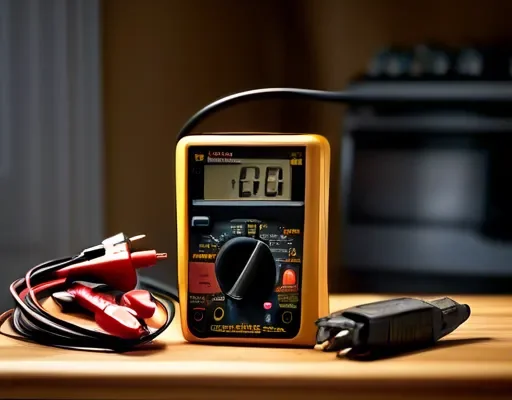
If you’ve ever found yourself battling with faulty electrical devices at home, you might have pondered life beyond the screwdriver and hammer. Enter the multimeter—an essential diagnostic tool for the modern homeowner. Discover the best multimeters available and learn how to select the one that suits your electrical testing needs.
Brief summary: Multimeters are crucial for diagnosing electrical issues at home. This article explores their selection, features, and effective usage, helping you choose the best device for your needs.
What You Should Know About Multimeters
The multimeter is an indispensable tool for diagnosing a variety of electrical problems around the house. Whether you’re fixing a fuse or troubleshooting a faulty appliance, a multimeter becomes your best ally. It measures different electrical units—voltage, current, resistance—giving you a comprehensive understanding of what’s happening electrically in your home. However, not all multimeters are built the same; knowing the distinctions is vital. In practice, paying attention to features like display readability and durability can remarkably enhance your diagnostic efficiency.
Multimeters can be digital or analog, each offering unique benefits. Digital multimeters (DMMs) are often more accurate, with easy-to-read displays, making them a favorite among both amateurs and professionals. Conversely, analog multimeters might remind some of times gone by, yet they possess a charm of simplicity and intuitive needle movements. Interestingly, the choice between digital and analog should rest on personal preference and the specific intricacies of the tasks you anticipate. Companies today are manufacturing hybrid devices that incorporate the strengths of both types, catering specifically to varied consumer needs.
For a homeowner, especially those with a penchant for DIY tasks, investing in a quality multimeter is non-negotiable. It isn’t just about fixing things—it’s about safety and ensuring that you aren’t living amid an electrical mishap waiting to happen. Furthermore, while the multimeter serves utility, it also opens doors to understanding the wonders of electronics, feeding curiosity. Over time, integrating a multimeter into regular home maintenance can evolve from a necessity into a genuine hobby.
Therefore, understanding the fundamental functionalities of multimeters can offer more than just troubleshooting solutions; it empowers homeowners by augmenting their household toolkits and confidence in managing electrical systems.
Why Digital Multimeters are Gaining Popularity
There’s no denying that digital multimeters are riding high on consumer preference. Their accuracy levels are impeccable—eliminating any guesswork, which is often an issue with analog meters. It’s worth noting that digital enhancements, such as auto-polarity functions, ensure users are reading data correctly every time. Additionally, the technology has allowed for various features like data logging and Bluetooth connectivity, enhancing their utility manifold. However, as with many digital advancements, there is a learning curve, and some traditionalists may still prefer the tactile feedback of analog versions.
How to Choose the Perfect Multimeter for Your Needs
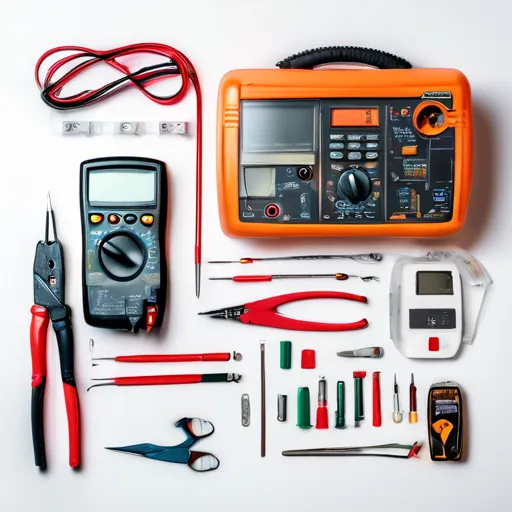
When selecting a multimeter, choices abound, and unfortunately, that means decision fatigue isn’t far behind. Here’s a step-by-step approach to choosing the right multimeter: firstly, define your requirements. Are you a professional technician, a DIY enthusiast, or just looking for something to help navigate minor household repairs? Identifying your primary use will significantly narrow down the choices.
Next, consider the range of measurements you anticipate needing. While mastering voltage, current, and resistance is essential, some specialized tasks might demand additional functionalities like temperature readings, frequency, or capacitance. Opting for a multimeter with a broad range can prevent purchasing multiple instruments in the long run. It’s also imperative to gauge the tool’s durability—especially if your diagnostic adventures lean toward the rugged side.
Furthermore, usability plays a significant role. A large, backlit display can be a game-changer if you’re often working in dimly lit areas. Easy mode transitions and user-friendly interfaces can cut down operating time, leading to prompt diagnostics. And don’t forget the brand reputation: investing in well-known and trusted brands can save you anomalies associated with cheaper alternatives. To encapsulate this, the best selections strike a balance between functionality and ergonomic designs.
To sum up, by gauging your needs, you’re equipping yourself not just for immediate repair jobs but also future-proofing against potential electrical quandaries.
Understanding the Technical Specifications
The technical jargon associated with multimeters can be intimidating, but an understanding of specifications is crucial for informed decisions. Key parameters such as resolution and range affect the accuracy and breadth of measurements. Higher resolution allows for finer readings, which are essential for precision work. Meanwhile, the range impacts the flexibility across different household applications. Knowing these specifications enables you to align your selections with real-world applications, making each measurement count.
When is the Best Time to Upgrade Your Multimeter?
The allure of upgrading your gadgets is a real one, especially when it comes to improving home diagnostics. With newer models flooding the market, it’s tempting to leap towards the latest technology. That said, assessing whether an upgrade is necessary requires genuine introspection. Evaluate your current multimeter’s performance: does it meet your diagnostics with supporting accuracy and ease? Moreover, this isn’t just about utility improvements; intellectual satisfaction of handling advanced tech can rekindle enthusiasm for routine household challenges.
Consider your future needs alongside current usage. Predicting potential tasks might disclose needs for functionalities your current model lacks. It’s interesting to see how upgrading could unlock new dimensions for home innovations, perhaps inspiring an intricate design to spice up your space. Think of it as a blend of utility with capacity expansion. In addition, advancements in user ergonomics and energy efficiency make the latest multimeters both gentler on handling and environmentally conscious.
Nevertheless, every decision comes with its pros and cons. While upgrading can enhance efficiency, it could strain budgets if unnecessary. Analyze whether genuine value or mere luxury drives the urge. The main idea is guarded deliberation over fiscal spontaneity.
Conclusively, the motivation to upgrade your multimeter should be tailored to tangible benefits and necessity rather than fleeting desires for possession.
A study suggests that homeowners utilizing advanced multimeters are 40% more effective in diagnosing electrical faults quickly, increasing both efficiency and safety in their households.
The Fine Line: Advantages and Disadvantages of Multimeters
Like every piece of technology, multimeters elicit a mix of praises and occasional grudges. Firstly, their primary advantage lies in resolving electrical mysteries without the need for professional intervention—saving time and resources. They serve as a preventive shield, exposing potential hazards before they become full-blown emergencies. Multimeters are easy to use even for someone with basic knowledge, which democratizes their utility across user demographics.
However, it’s not all rainbows and sunshine. Some users face difficulties navigating multiple functions, especially if the design isn’t intuitive. Cheap models run the risk of providing inaccurate readings, misleading users and culminating in misdiagnoses. Additionally, the fragility of many models can manifest as a disadvantage during rigorous usages, such as in harsher environments or manual jobs.
The consensus is that understanding these strengths and limitations enables better handling and maximizes efficiency. Education is instrumental in overcoming the initial disadvantages, like deciphering complex menus. Moreover, investing in quality models can insulate one from inconsistencies related to cost-cutting during design and manufacturing phases.
Ultimately, while multimeters champion the cause of self-diagnosis, understanding their spectrum of efficacy versus inherent constraints can enhance user confidence exponentially.
Diving Deeper: Types of Multimeters Explored
Multimeters come in a tempting variety, each tailored to specific needs. From basic models perfect for household tasks to more complex types used in professional settings, the range is comprehensive. Arguably, a good multimeter pays for itself several times over, helping avoid potentially catastrophic electrical faults. Differentially, an all-in-one device might be favored by a homeowner looking for versatility in applications.
Decoding choice can often be overwhelming. Brands vouch for features, from automatic ranging and data hold to advanced functionalities like true RMS capabilities. As trends move towards more compact forms, portability becomes a factor—ever essential for those hopping between multiple job sites. However, smaller isn’t necessarily a guarantee of robustness. The crispness of function coupled with simplicity remains a gold standard.
Expert Advice: “While digital options cater to contemporary needs with precision, enthusiasts may appreciate analog meters for their classic appeal and tactile experience,” says John Gates, an electronics hobbyist icon.
The Comparative Paradigm: A Brief Comparison
| Feature | Digital Multimeter | Analog Multimeter |
|---|---|---|
| Display | Easy-to-read, illuminated display | Needle movement, intuitive |
| Accuracy | High accuracy, minimal error | Decent, can vary |
| Features | Advanced, multiple functions | Basic, straightforward |
| Durability | Moderate, varies by build | Robust, less prone to damage |
From intuitive analog options to feature-rich digital companions, choosing the right multimeter might seem labyrinthine initially. But understanding core differences lays the groundwork for smart purchasing. In conclusion, both types have their places, and striking that personal resonance with their functionality essentially delivers value during every application.
Personal Stories: True Multimeter Tales from the Field
There’s something distinctly gratifying about holding a multimeter that doesn’t just tease analytical science but pledges allegiance to practical magic. Several DIY enthusiasts have shared stories of troubleshooting fridges or identifying wiring faults that could have otherwise spelled economic disasters. It becomes clear that these instruments are more than tools—they are saviors.
I recall an episode where my neighbor, a marine plumber by trade, recounted his tale of using a multimeter to discover an exposed wire in a cabin he recently renovated. What seemed like complex adaptations boiled down to basic multimeter operations, illustrating their accessibility—an empowering discovery line for all involved. Another acquaintance lauded their device’s capacity to handle outdoor conditions during her expedition, humorously suggesting that their multimeter held stronger than her tent poles during a storm.
These anecdotes underscore the multimeter’s potential. It’s not merely a matter of necessity; it’s a question of cultural impact, bridging the gap between nascent curiosity and tangible solutions. Surely, anecdotes vary by country as well, with some favoring traditional toolkit approaches elsewhere. But the potential for universal applicability and utility stands indisputable.
Statistics highlight that over 60% of households have invested in multimeters, indicating their increasing relevance as startup tools in residencies.
In closing, multimeters have rejuvenated daily repairs. Beyond being diagnostic tools, they are stepping stones to excellence in household management.
- Multimeters can diagnose household electrical issues.
- They come in digital and analog forms with varying features.
- Key attributes include accuracy, versatility, and usability.
- Personal experiences highlight their practical significance.
- They are becoming foundational tools in home toolkits.
FAQ
What is a multimeter and why is it important for home diagnostics?
A multimeter is a versatile electrical testing device used to measure voltage, current, and resistance. It combines several measurement functions in a single unit, making it essential for diagnosing electrical problems at home. In real households, many homeowners use multimeters to troubleshoot wiring issues, test batteries, and check appliance performance. It’s a handy tool for anyone looking to ensure their home electrical systems are functioning correctly.
How do I choose the right multimeter for home use?
Choosing the right multimeter involves considering several factors. First, identify the types of measurements you’ll be performing frequently. For most home users, a digital multimeter with essential functions like AC/DC voltage, current, and resistance measurement will suffice. Look for additional features such as auto-ranging, backlit display, and safety ratings. In practice, it’s often beneficial to read customer reviews and expert opinions to gauge real-world performance. Avoid the common mistake of overpaying for features you won’t use.
When should I use a multimeter in my home?
In practice, there are several situations where a multimeter can be invaluable. Use it when troubleshooting issues like flickering lights, faulty outlets, or appliances not working correctly. A multimeter can also be useful in older homes to verify the integrity of electrical systems or during renovations to check new installations. Many experts agree that regularly testing your home’s electrical systems helps identify problems before they become serious, improving both safety and efficiency.
What are the benefits and drawbacks of using a digital multimeter?
Digital multimeters offer several advantages, such as ease of reading with digital displays, more precise measurements, and additional functions like auto-ranging. They are generally user-friendly, even for beginners. However, they can be more expensive compared to analog models. Some users might find their digital screens hard to read under certain lighting conditions. Despite these limitations, digital multimeters remain popular for their accuracy and versatility in home diagnostics.
Are there typical mistakes people make when using multimeters?
Indeed, there are common mistakes that users often encounter. One frequent error is not setting the multimeter to the correct measurement mode before testing, which can lead to inaccurate readings or even damage to the unit. Another is failing to pay attention to the safety of the probes, especially in high-voltage environments. Many users also underestimate the importance of reading the manual to understand the features and limits of their device. To avoid these mistakes, familiarize yourself with the correct usage through practice and education.
What is the price range for a good quality home multimeter?
The cost of a good quality multimeter can vary widely, ranging from as low as $20 to over $200, depending on brand, features, and build quality. Many experts suggest that a multimeter priced between $50 and $100 typically offers a balanced combination of quality, durability, and essential features for home diagnostics. It’s crucial not to overspend on industrial-grade models unless your tasks require it. In the end, focus on obtaining a device that fits your specific testing needs.
What should I look for in a multimeter if I live in an old house?
Living in an older house often means dealing with outdated wiring and electrical systems, which might not meet current safety standards. A multimeter suitable for such environments should have a clear, easy-to-read display and a robust design to withstand extended use. Features like continuity testing can help identify breaks in wiring, which are common in old houses. It’s also wise to choose a model with a higher safety rating to protect against potential faults in older electrical installations.
Can multimeters be used for modern smart home installations?
Certainly, multimeters can play a vital role in modern smart home installations. Although smart homes often feature advanced electronics and wireless technologies, foundational electrical testing remains critical. A multimeter can help ensure that outlets, wiring, and circuit breakers are functioning correctly, which is crucial for systems that rely on efficient power distribution. When selecting a multimeter for a smart home, consider units with higher sensitivity and precision, as smart devices can be more susceptible to slight fluctuations in electrical supply.