
We’ve all been there: The microwave whirs to life but the plate stubbornly refuses to spin, leaving you with an unevenly heated meal that can bring a sigh of frustration. What should you do when faced with such an existential kitchen crisis? Fret not, as we unravel the mystery behind this non-revolving conundrum.
Brief summary: Discover why your microwave plate might not be spinning and explore practical solutions to this culinary inconvenience. From mechanical flaws to innovative DIY fixes, this guide covers it all.
Understanding the Basics: Why Your Microwave Plate Won’t Spin
So, what’s going on when the microwave’s turntable acts up? The issue is not as uncommon as you might think. In most cases, the culprit is a mechanical drawback. The drive bushing beneath the plate may have gone kaput. But hold on, there’s more. A mix of dirt and gunk can also lead to a gripping halt, literally.
What about the motor, you ask? Yes, the turntable motor itself can be on the fritz. Microwaves rely on a small drive motor which facilitates that spinning action. When this motor malfunctions, there’s no revolutions in sight, quite literally.
Imagine this: You place a bowl of soup expecting a swirling hot delight only to find an icy top and scorching bottom. Quite unpalatable, no? The reason could ironically be as simple as a misaligned roller guide. Sometimes, life is all about those small adjustments.
In conclusion, understanding these basic mechanical issues can often lead to simple, hands-on solutions that don’t require expert intervention. And as you’ll soon find out, sometimes a little cleaning can go a long way.
How to Tackle the Problem: DIY Solutions for a Stationary Plate
If you’re up for the task, some DIY methods can help resolve a stagnant microwave plate. Start by giving that plate a good cleaning. Food debris can accumulate under the turntable and roller ring, causing obstruction.
Next on your checklist should be aligning the roller guide. These small tweaks require no herculean effort, just a little patience. Remove the plate, inspect the rollers, and set them correctly within their tracks.
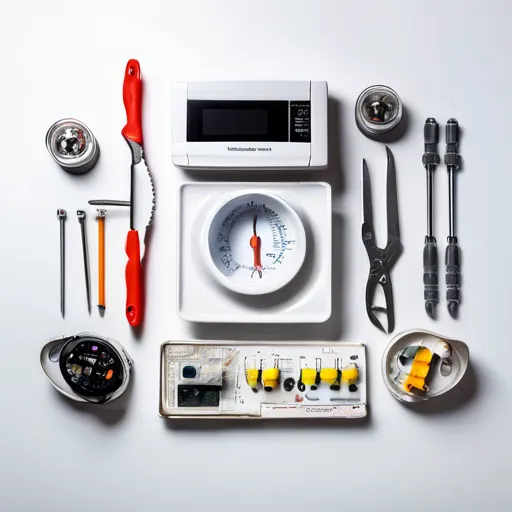
There’s also room for cleaning the drive components. A malfunctioning drive motor could merely need a gentle nudge or some lubrication. Of course, remember to unplug the device before tinkering about.
In practice, such do-it-yourself approaches not only encourage self-reliance but also add to your repertoire of handyman skills. Who knew that an ordinary Wednesday evening would turn you into a microwave maven?
What You Should Know: Common Microwave Issues and Beyond the Plate
While a stationary plate is annoying, it’s just one of many quirks microwaves may develop. A touch of personal insight reveals that sometimes the devil is in the details, like that lightbulb that seems dimmer than usual.
Conventional wisdom suggests checking your fuses when microwave troubles emerge. A blown fuse could compromise various operations, including the turntable. Moreover, explore the possibility of an internal failure or a door malfunction as the all-too-evident culprits.
Interestingly, another hidden player is the kitchen layout. As odd as it appears, placing heavy items atop the microwave inhibits airflow, causing an operational drag. The mishap? Continuous overheating can silently sabotage your appliance.
The main takeaway here is the importance of preventive care. It becomes vital to know if your microwave’s ailments extend beyond the spinning dilemma, especially when considering repair versus replacement. Knowledge is indeed power.
Expert Opinions: What the Professionals Say
Experts in appliance repair have long advocated for diligent maintenance as the best prevention. The microwave is no longer our grandmother’s clumsy box—it’s a sophisticated beast needing attentive care.
One study confirms that regular cleaning can extend the lifespan of home appliances by up to 30%.
An out-of-sync microwave door or gasket might be trapping excess heat or steam, and technicians recommend regular checks for rust or grime on these seals.
Another professional tip about the turntable motor suggests periodic assessments to ensure no parts are fraying or misaligned. A motor swap isn’t too technical and might be the right fix for your spinning woes.
In conclusion, expert advice underscores the significance of familiarizing oneself with each component’s quirks. A little foresight can avert the inconvenience of waiting for a technician.
The Pros and Cons: To Fix or to Replace?
Here lies a classic debate: when does it make more sense to repair rather than replace? A logical observation is that new models often tout improved energy efficiency and modernism.
| Repair | Replace |
|---|---|
| Cost-effective if issue is minor | Better energy efficiency |
| Quick fixes can extend life | Latest technology and features |
Alternatively, the sentimentalist within us might parry, suggesting that holding onto an appliance after repairs holds intrinsic value—like preserving a relic of our daily lives.
Statistics reveal that 40% of consumers opt for repairs over new purchases within the first three years of appliance ownership.
Ultimately, the balance between fiscal prudence and the allure of innovation leans heavily on personal circumstance and the specific needs of your kitchen.
Step-by-Step: A Quick Fix Guide for the Cautious
An easy fix could be your saving grace if approached methodically. First, ensure you’ve unplugged the microwave to mitigate the risk. Safety first, they say.
Step 1: Gently remove the turntable and clean the drive bushing. A little cleaning can solve an existential problem.
Step 2: Align the roller guide and inspect for wear and tear. Adjust as necessary.

Step 3: Examine the turntable motor. A malfunctioning motor often requires replacement, but assessing first is key.
Step 4: Finally, reassemble gently and test. Sometimes, methodical attempts benefit from a little trial and error.
Undeniably, the phenomenon is that a guided process reduces error margins and fills you with the satisfaction of a true DIY victory.
Conclusion: Ensuring Your Microwave Plate Spins to Success
The crucial baking ingredients here are diligence, patience, and timely intervention. Whether initiating a quick fix, seeking professional wisdom, or contemplating the merits of modernization, time invested now can prevent headaches later.
Expert advice strongly supports that timely maintenance can mitigate 60% of appliance failures.
As food for thought, why not correlate this with other home endeavors? Consider the humble kitchen floor, and its numerous tile options for modern facings—or perhaps the incorporation of a brown sofa in the interior, each contributing to a harmonious living space.
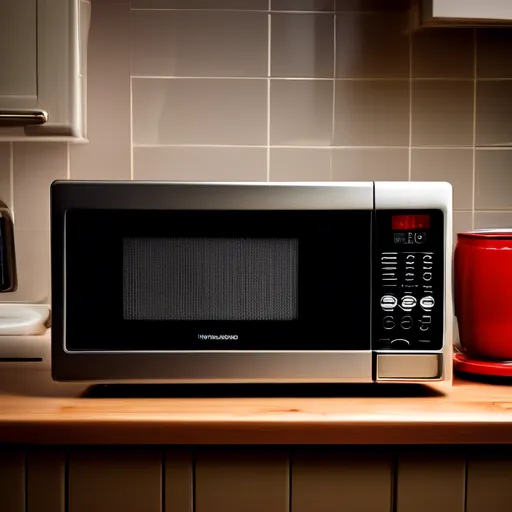
Ultimately, knowing your microwave’s intricacies enhances its serviceability, ensuring performance persists with ease.
- A malfunctioning microwave plate is often due to mechanical issues.
- Effective DIY solutions include cleaning and realigning components.
- Professional advice stresses regular maintenance for longevity.
- Weigh the benefits of repair versus replacement carefully.
- Step-by-step guides facilitate easy troubleshooting.
Sure, let’s create an FAQ block for the topic.
“`html
FAQ
Why isn’t my microwave plate spinning?
The microwave plate not rotating is a common issue that can stem from various causes. Often, it’s due to a misaligned roller guide or a broken drive motor underneath the turntable. In practice, users sometimes place dishes that are too heavy, causing strain. Checking the alignment and weight can often resolve these issues without professional help.
How can I fix a misaligned turntable?
Fixing a misaligned turntable is usually straightforward. Start by removing the glass plate and the roller guide. Inspect both for any food debris or damage that might prevent them from fitting properly. Re-seat the roller guide, ensuring it clicks into place on the central hub, and then return the glass plate. If heavy containers are often used, consider dividing the food into lighter portions.
What should I do if the drive motor is broken?
If suspicions point to a broken drive motor, it may be time to consult a professional. While some DIY enthusiasts might replace it themselves, it involves dealing with electrical components, which poses risks. Typically, a technician will replace the motor for a fee that depends on model complexity but expect to pay around $100 to $150 for parts and labor.
Are there common mistakes people make with microwaves?
Yes, several recurring mistakes can affect the microwave’s performance, including overloading the turntable with oversized dishes or forgetting to maintain cleanliness, leading to debris obstructing movement. Additionally, some avoid addressing issues promptly, leading to more extensive damage. Regular checks and cleaning often keep your microwave running smoothly.
What are the advantages of a working turntable in a microwave?
A functioning turntable ensures even cooking or heating by allowing food to be exposed uniformly to microwaves. This minimizes cold spots and the need for stirring. In smaller kitchens, it also helps maximize efficiency by enabling straightforward multi-tasking without worrying about uneven meals. Overall, it enhances the flexibility and effectiveness of meal preparation.
What limitations exist if the microwave plate does not turn?
If the plate isn’t rotating, expect uneven heating, leading to inconsistent food quality, especially in larger dish portions. While one might manually rotate the dish, it’s less convenient and can affect cooking speed. It’s vital to address this promptly to preserve the appliance’s overall efficiency and avoid reoccurring manual intervention.
How can I prevent my microwave plate from not spinning in the future?
Prevention starts with regular maintenance, such as periodic cleaning to remove debris that could halt movement. Using cookware of appropriate size and weight also helps reduce strain on the motor and roller guide. Many users find success in creating routines around their cooking tasks, ensuring no part is neglected. Investing time in such routines can save on future repairs.
When should I consult a professional for my microwave?
Consult a professional when simple solutions like cleaning and aligning fail, or if you detect unusual noises or smells. These can indicate underlying electrical issues requiring an expert’s touch. Many professionals advise against DIY on electrical faults due to safety risks, emphasizing that timely expert intervention often prevents further damage and expenses.
“`
This FAQ block addresses practical and detailed considerations that a reader might have about their microwave plate not spinning, offering insights and actionable advice.