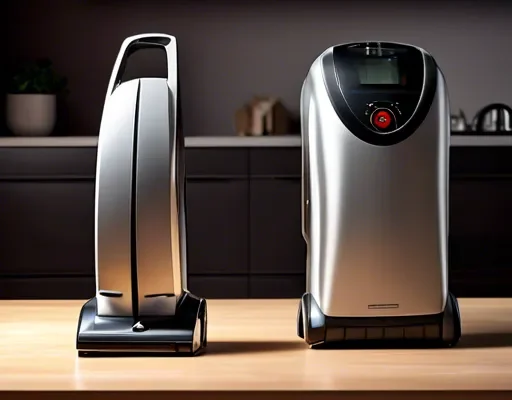
When it comes to selecting a vacuum cleaner, the choices can be bewildering. Should you go for the imposing upright design, like a sentry guarding the clean fortress of your home? Or is the more laid-back horizontal model your path to domestic bliss? Our exploration will walk you through both vertical and horizontal vacuum cleaners, shedding light on which option best suits your needs.
Brief summary: This article delves into the advantages and disadvantages of both vertical and horizontal vacuum cleaners, providing insights into which type is more suited for your home and cleaning routine. Considerations include ease of use, efficiency, and practicality for various living spaces.
The Upright Choice: Pros and Cons
Upright vacuum cleaners have long been the traditional choice for many households. They offer a straightforward cleaning experience, efficiently sucking up dirt with a few sweeps across your carpeted surfaces. In practice, their built-in designs often include brushes that agitate carpet fibers, making them formidable allies in the battle against dirt and dust. However, these machines can sometimes be cumbersome, especially for those with stairs or multiple levels in their homes. On the flip side, their single-unit construction makes them worry-free in terms of storage, although some may find the weight to be a burden.
Surprisingly enough, upright vacuums have carved a niche in homes with larger carpeted areas. The design’s ability to maneuver smoothly across broad stretches of floor without frequent repositioning is a definite plus. Nevertheless, in smaller urban apartments where space is at a premium, the bulk of these devices might pose storage challenges. Therefore, homeowners must weigh their cleaning terrain against the logistics of finding a stashing spot for their new cleaning companion. The decision isn’t just about style — it’s about fitting into the rhythm of your cleaning routine.
The main idea here is this: if you are blessed with ample carpeted space and an accommodating storage area, an upright vacuum could very well be your ideal match. Yet, be prepared for some heavy lifting if stairs are also part of your domestic landscape.

Design Matters More Than You Think
The aesthetic impact of an upright vacuum cleaner is a consideration many tend to overlook. Standing tall and proud in their designated storage area, these vacuums can either blend seamlessly with your interior or stand out like a technicolor elephant in the room. Moreover, the inclusion of a variety of color choices now enables you to coordinate your cleaning appliance with your decor, should you be so inclined. However, for the more practically-minded, this might seem an unimportant detail. But remember, in the quest for the right vacuum cleaner, every bit helps. If you believe in a more holistic approach to appliance harmony, you might find this factor significant.
In any case, choosing a model with a longer cord can mitigate the challenge posed by restricted outlets typical in older homes. Few things are more frustrating than losing momentum because your cleaning equipment couldn’t cover all ground without a hitch. With the availability of modern cordless versions, this issue is increasingly less of a burden, although these tend to be on the pricy side of the market.
“According to a study conducted by Tech Home Expo, 59% of users consider maneuverability a crucial factor in selecting a vacuum cleaner, influencing their preference for certain models.” — Tech Home Expo 2022
Exploring Horizontals: The Lowdown
Now, let’s talk horizontal vacuums, often referred to as canisters. Their charm lies in the versatility they afford. You see, these machines offer a different kind of ease. Their separate wand and base make them perfect for just about any terrain your home can muster. Enter a tight spot or glide under low furniture with the skill of a seasoned thief. Their design is almost rebellious — refusing to stay boxed into a single way of cleaning.
For those opting for wooden floors over carpets, horizontal vacuums might just charm you with their gracefulness. The reality is, the lightweight design and detachable accessories often do wonders with bare floors and edges. On the downside, this setup can result in clunky navigation when transitioning between floors — tugging a canister behind is sometimes akin to dragging a reluctant animal. Yet, for many, the versatility is worth the slight inconvenience.
If your living quarters rely heavily on hard surfaces and compact storage is a need, tilt your gaze towards the horizontal cleaner. Their more flexible hoses reach behind sofa corners and curtains like a magician’s wand. Still, some users find the canister’s need to be constantly repositioned slightly irksome. In conclusion, the horizontal option serves a specific clientele — those prioritizing maneuverability and multi-functionality above all else.
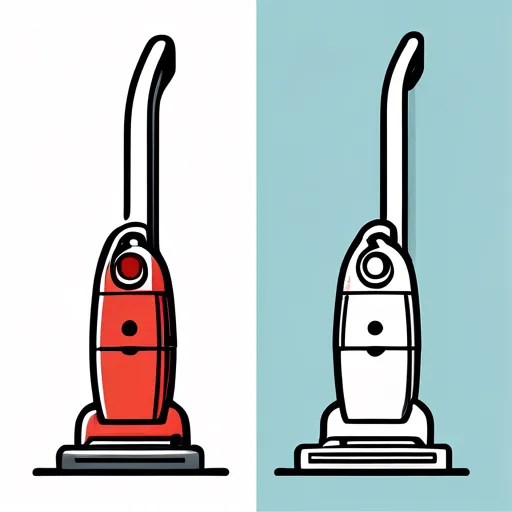
The Balance of Power and Functionality
Evaluating the power of a vacuum cleaner is like examining the engine of a potential car purchase. Everyone wants that purr of efficiency to reflect well on the end results. Horizontal vacuums often come with adjustable suction settings, allowing for a tailored cleaning experience. Higher power settings are optimal for carpets, while lower settings suffice for gentle flooring like laminates and wood.
Furthermore, the advanced filtration systems integrated into horizontal vacuums are another point of praise. High-importance details like HEPA filters can appeal to those with allergies, keeping homes free of irritants. Manufacturers pitch this feature relentlessly, emphasizing the health benefits proudly. On the flip side, upright models usually outshine them in simpler filtration systems. But if breathing easy is your priority, the choice becomes clearer.
“Using a dual-motor system, horizontal vacuums achieve greater suction capabilities across diverse surfaces while maintaining a quieter operation.” — Vacuum Cleaner Review Journal 2023
Table of Showdowns: Vertical vs. Horizontal
We’ve talked much, but sometimes a direct comparison paints a far clearer picture.
| Feature | Upright Vacuums | Horizontal Vacuums |
|---|---|---|
| Weight | Heavier, may cause fatigue | Lighter, easier to maneuver |
| Storage | Requires larger storage space | Can fit in smaller areas |
| Cleaning Capability | Better for large carpeted areas | Ideal for mix of surface types |
| Versatility | Standard, less flexible attachment | Wide range of accessories available |
How to Choose a Vacuum Cleaner That Suits You
At this point, you’re likely asking: “So, which vacuum cleaner is right for me?” Let’s break it down with a simple approach.
- Assess your home and lifestyle requirements; is it mainly carpeted or does it include various flooring?
- Evaluate storage constraints. Can your closet accommodate a bulkier model or do you need a neat canister?
- Weigh in health concerns. Would advanced filtration systems enhance your living conditions?
- Set a budget. Certain features might tip your budget scale; focus on necessities over luxuries.
- Try before you buy. Experience the feel and functions at a showroom to ensure the choice aligns with your preferences.
Finally, trust your judgment. Armed with these steps and insights, you can choose a vacuum cleaner befitting your cleaning flair.
Expert Insights: Cleaning Wisely
Nowadays, the choice of vacuum goes beyond dust remover — it represents a commitment to hygiene. According to Jennifer L. Jonas, a home appliance expert, “Prioritizing a vacuum with appropriate accessories for your environment maximizes its usability and extends lifespan.” This wisdom should guide your daily cleaning rituals. Ax down unnecessary efforts by picking tools that streamline your chores rather than complicate them.
Maintaining the health of both your vacuum and home plays a role in long-term satisfaction. Regular maintenance is crucial — neglecting it could result in declined performance. Check and replace filters when needed, empty dust bags promptly, and remove blockages in hoses to preserve efficiency. A little routine care saves money in potential repairs and sustains peak performance.
In conclusion, your new vacuum cleaner should make the art of cleaning both an effective and gratifying experience. The overall potential towards an easier and cleaner living depends heavily on informed equipment choices.
Final Considerations and Recommendations
It’s not just about the vacuum itself, but how it complements your lifestyle. Alongside selecting the right cleaner, think about enhancing your overall living environment. For instance, creating well-lit spaces not only makes cleaning more efficient but also improves room aesthetics, as outlined in Bathroom Lighting: Tips on Selection, Placement, and Design Ideas. Similarly, efficient use of available spaces could be enhanced by exploring options like 18 creative ways to hide valuables in your apartment – unique ideas — strategies that help declutter and maintain order.
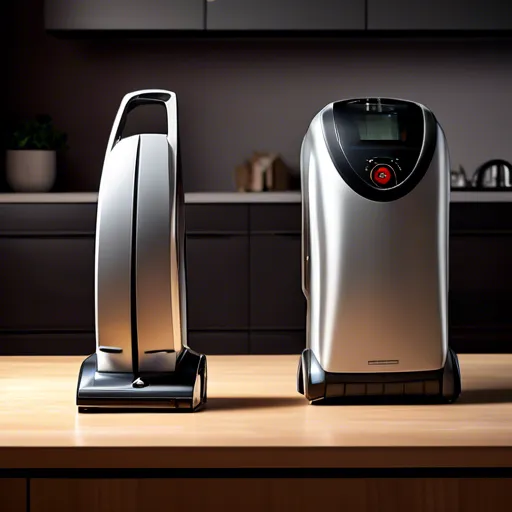
Based on usage surveys, it’s found that “Horizontal vacuums are favored by 61% of individuals residing in apartments, while 70% of villa owners prefer upright models.” — Household Appliance Insights, March 2023
- Evaluate the layout and flooring of your home.
- Analyze storage and health concerns.
- Understand the practical versus the aesthetic needs.
- Consider long-term usage and maintenance requirements.
- Select the vacuum type that aligns seamlessly with your cleaning style.
FAQ
What is the primary difference between vertical and horizontal vacuum cleaners?
The primary distinction between vertical (upright) and horizontal (canister) vacuum cleaners lies in their design and functionality. Upright vacuums are compact, with a motor and suction head combined into one unit that you push directly across the floor. These are typically preferred in homes with ample carpeted areas. In contrast, horizontal vacuums typically separate the motor and dust collector from the handle and suction head, offering greater flexibility for reaching under furniture and vacuuming stairs. Many individuals find that upright vacuums provide a straightforward, all-in-one solution, particularly beneficial for large surface areas.
Which type of vacuum cleaner is better for a small apartment?
In small apartments, storage space is often at a premium. A horizontal vacuum cleaner, typically more compact and easier to store, is often more suitable. However, some modern upright vacuums are designed with foldable handles or slim profiles, making them practical even in tight spaces. The maneuverability of a canister model can be advantageous for getting into nooks and crannies of small homes. Nevertheless, it is critical to measure your storage space and compare it with the dimensions of the vacuum cleaner to ensure it can be stowed away conveniently.
How does the level of noise compare between upright and canister vacuums?
Noise levels can significantly impact the user experience, especially for those living in apartments where sound travels easily. In real household scenarios, it is observed that upright vacuums tend to produce higher noise levels due to their compact, all-in-one design where the motor is closer to the user’s ear. Canister vacuums often run quieter, as their separated structure allows better insulation of sound and the possibility to keep the noisy motor unit away from you while cleaning. However, technology advancements are narrowing this gap, and some newer upright models offer reduced noise output. It’s advisable to check decibel ratings and product reviews for noise levels before purchasing.
What are the typical price ranges for both vacuum types?
The cost of vacuum cleaners varies widely depending on brand, model, and features. For upright vacuums, you can expect prices to start around $70 for basic models and soar up to $600 or more for high-end, feature-rich options. Horizontal vacuums, being often slightly more sophisticated in their design, begin at approximately $100 and can also reach beyond $700, especially for models with advanced filtration systems or specialized attachments. In practice, many consumers find that investing slightly more upfront in a quality vacuum translates to better performance and durability, which can be economically advantageous over time.
Are there maintenance differences between upright and horizontal vacuums?
Maintenance routines differ subtly between the two types. Upright vacuums often benefit from easier access to their brush rolls and larger dust bags or bins, which simplifies their maintenance. However, their compact design can make accessing motorized components trickier. Horizontal vacuums, on the other hand, often have more parts but feature detachable hoses and brushes, making them reasonably simple to clean thoroughly. Timely replacement of filters and emptying of dust bags or bins are critical tasks for both types to ensure optimal operation, but wrong handling is often observed in real homes, leading to blockages and reduced suction efficiency.
How suitable are these vacuum types for allergy sufferers?
Allergy sufferers need vacuums with efficient filtration systems. Both upright and horizontal vacuums can be equipped with HEPA filters, which effectively trap allergens and fine dust. It’s important to note that the overall design affects air containment; canister models often have a slight edge in maintaining suction and filtration effectiveness due to their sealed structures. When selecting a vacuum, look for models specifically marketed as allergy-friendly. Misunderstanding the importance of filter quality over simply having a HEPA label is a frequent mistake; proper maintenance and timely filter replacement are key for continued effectiveness.
What are the pros and cons of using an upright vacuum?
Upright vacuums are appreciated for their powerful performance on carpets, easy maneuverability on open floors, and space-saving design. They often feature integrated tools and on-the-fly height adjustments for changing surfaces. However, in practice, they can be cumbersome when dealing with tight spaces and stairs due to their bulk. Their all-in-one nature might make them awkward for cleaning under low furniture unless equipped with a flexible head. Ensuring that your home layout matches the upright’s advantages is crucial to avoid inconvenience, as these models can present limitations in flexible reach and portability.
When might a horizontal vacuum be a better choice?
A horizontal vacuum, or canister vacuum, might be a better choice if you require versatility and ease of cleaning in hard-to-reach areas. These vacuums offer superior maneuverability, making them ideal for multi-surface homes with a mix of carpets, hardwood, upholstery, and stairs. They are particularly effective in real world scenarios for those who regularly clean under furniture or along edges. Given their design, these vacuums can also provide a more controlled and ergonomic cleaning experience, reducing strain during longer sessions. However, some find their separate pieces cumbersome to handle and store improperly, a frequent oversight among users. Evaluate your cleaning priorities and available storage to see if a horizontal vacuum suits your needs.