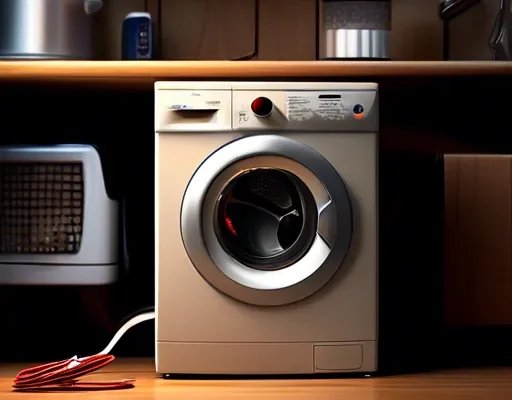
Oh, the trusty washing machine. Once a week (or more often, if you’re a parent), we load it up with clothes, press a button, and trust it to deliver freshly cleaned laundry. But what happens when you push that button and… nothing? No whirring, no spinning—just silence. The frustration is palpable. But before you resign yourself to washing your unmentionables in the bathtub or, horror of horrors, lugging everything to a laundromat, let’s delve into the reasons why your washing machine might be giving you the cold shoulder.
Brief summary: Washing machines are household heroes, but they sometimes refuse to work. This article explores common reasons for this problem and provides practical solutions.
Power Supply Problems: Is It Really on?
You’d be surprised at the number of times a washing machine’s refusal to start is down to a simple power issue. Before delving into complex diagnoses, let’s start with the basics. Check if your machine is plugged in—easy, yet often overlooked. We’ve all been there: something gets momentarily unplugged, and in the hustle and bustle of life, we fail to notice.
Consider inspecting the socket itself. A faulty plug point is a clever saboteur, offering no clue of its betrayal. Try another appliance in the same socket. If it purrs to life, your washing machine might not be the culprit here.
Electrical surges are another villain in disguise. These can trip circuits without any dramatic flick of the switch. Check your home’s circuit breaker and flick it back if it’s been tripped.
Sometimes, it’s not about checks and balances. Replacement fuses might be needed if your machine’s fuse has blown. A seemingly small slip-up, but it could be the savior of your Sunday laundry rotation.
Extension Cords and Their Secret Vices
- Always prefer plugging directly into the wall.
- Electrical noise might interfere with performance.
- Long cords can lead to voltage drops.
- Tangled connections pose fire hazards.
- Simple solutions are usually effective.
Door Latching Issues: The Simple Interlock Misstep
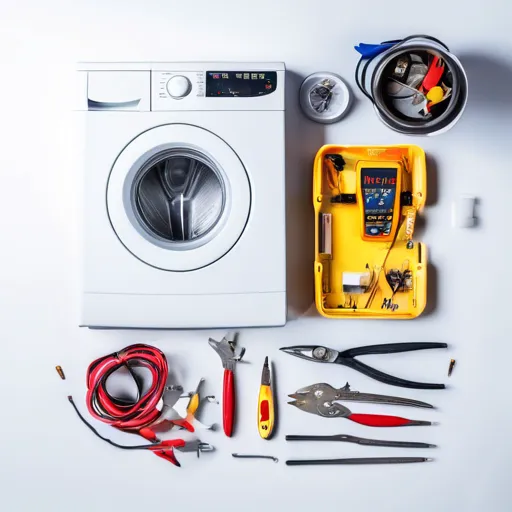
Modern washing machines are incredibly cautious creatures. To prevent a soapy apocalypse, they refuse to start unless their doors are hermetically sealed. It’s a safety feature most take for granted until it becomes the bane of our laundry day. Checking the door seal and ensuring it’s properly latched is step one.
More often than not, a door that seems shut isn’t properly engaged. A firm push can sometimes do the trick. Listen for the satisfying click that signals the door is locked and ready for action.
If problems persist, look deeper. The interlock itself may be malfunctioning, requiring replacement. It’s a simple fix, usually involving a screwdriver and a bit of patience.
Should you hear an ominous clink, there’s a chance an object’s caught within the seal. Coins, pens, or even a stray sock might be the culprits. In conclusion, never underestimate the ingenuity of whatever might be hiding in your pockets.
Control Panel and Settings Confusion: The Digital Age Dilemmas
When tech becomes too intelligent for our own good, control panels can offer a conundrum of beeping buttons and cryptic codes, each demanding expert deciphering. Ask yourself: are you pressing the right buttons, in the correct sequence? A malfunctioning control panel, though rare, can indeed lead to the same stonewalling you’re experiencing.
Software hiccups or even bugs can happen. If your machine exhibits erratic behaviors, consider resetting it—often a last-minute lifeline. Unplugging for a few moments allows the system to reboot, refreshing its configuration.
Be mindful of the machine’s settings. Too often, we fumble through modes without a thought. Rinses, cycles, spin speeds; it’s easy to overlook a switch or button, leading to inactivity.
In the age of technology, ensure it’s not on a delay mode and check for parental locks that might have been accidentally activated. Therefore, familiarity with your model’s manual might save you a world of pain.
Software Glitches and Remedying Resets
- Press the reset button if available.
- Disconnect from power for a ten-second pause.
- Retry the power after a considerate pause.
- Consult brand-specific manuals for guidance.
- Meditate on the options before diving into repairs.
Water Supply Conundrums: When It’s Not Flowing
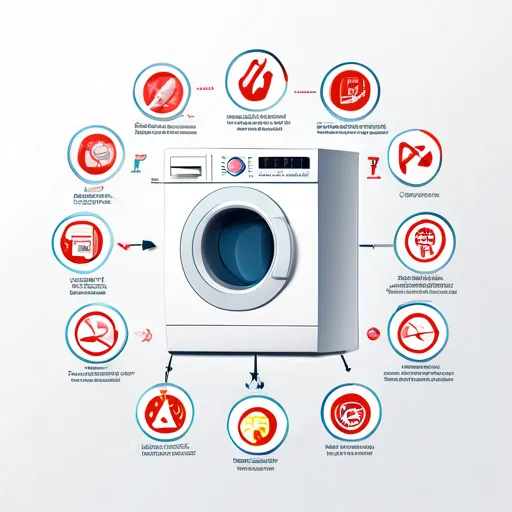
If your washing machine stays mute, it could be silently protesting a lack of water. Ensure that the water valves are turned on. A simple check often resolves this common oversight. Confirm the hoses aren’t twisted or pinched, restricting flow.
Culprits in this realm are frequently mineral deposits that have slowly claimed your hose as their home. It’s a home you’ll want to evict them from swiftly. Cleaning or replacing hoses might be the relief sought after.
On occasion, the problem lies internally. Solenoids or water pumps might wear down, offering resistance to the inflow. These components engage electrically, and a malfunction could bar the way for our water’s entrance.
Ensuring water is reaching your machine without interruption forms the crux of this mystery. In the end, such troubleshooting can quickly draw back the curtains on an inconvenient episode.
The Battle of the Load Imbalance: Tips for Harmony
Nature abhors a vacuum, and your washing machine abhors imbalance. Load the machine unevenly, and you’ll find it unable—or unwilling—to function. A few towels, heavy jeans, or a solitary blanket can disrupt the equilibrium, much like a seesaw that’s been tipped too far one way.
Consider rearranging contents, spreading them evenly around the drum. Such actions can often tip the scales in your favor, coaxing your machine into motion. Listen, too: when overloaded, machines can betray their discomfort with unnerving growls and jarring vibrations.
Machines must, on occasion, be coddled. Redistribute the weight, and you’ll find the harmony restored, their resolve unbroken. Therefore, judicious loading can be the secret to a stress-free wash day.
Bear in mind, an enduring imbalance could hint at broader mechanical issues. Loose stabilizers or worn belts could disrupt the smooth synchrony of your machine’s dance.

“According to a Consumer Reports survey, almost 30% of washing machines required major repairs within their first five years.”
Internal Mechanics: Bearings, Belts, and Beyond
There’s something awe-inspiring about peering into the inner sanctum of a washing machine. A dance of gears and belts, all in concert, ensure clothes come out clean and smelling divine. When these become disordered, the washing process halts.
Belts, for instance, are a primary suspect in mechanical maladies. A worn or broken belt throws a spanner in the works. Replacement is usually straightforward, reminiscent of changing a beloved car’s drive belt.
Rumbling or grinding sounds point to faulty bearings. The mighty bearings, when ill, can cause your machine to waltz across the room or tirelessly stand still. Diagnosing this requires a patient ear and steady hand.
Discerning maintenance can prolong the life of these components. Regular service keeps gears turning, and the dance continues unabated. In conclusion, take time to understand your machine’s hums and croons—it’s their way of talking back to you.
Preventive Care Tips for a Durable Device
- Create a monthly checklist for maintenance.
- Run an empty cycle occasionally.
- Check and clean the filter often.
- Use detergent wisely; less is often more.
- Avoid overloading with hefty items.
What About DIY fixes? Understanding the Risks
DIY fixes can feel empowering, but the risk-reward balance hangs in a delicate equilibrium. Embarking on a path to repair with little know-how could lead to further issues. If technology is a foreign language, perhaps the professionals should be summoned.
The internet abounds with tutorials, offering step-by-step guides on everything from door seal replacements to inspecting the pump. The wealth of information is a boon, but also a massive responsibility.
However, a cautious approach involves recognizing limitations. Knowledge is power, with self-awareness as its ally. Before reaching for the toolbox, ask yourself: am I truly prepared?
Approach each repair with courage, but also with humility. Accept what might be beyond your abilities and learn when to call in expert intervention.
“Experts often recommend keeping a handyman’s number handy—reducing the temptation for ill-fated DIY attempts that could break more than they mend.”
- Check power sources first; it’s often overlooked.
- Ensure the door is properly latched.
- Befriend your machine’s manual for quirks.
- Load balance affects performance greatly.
- Know your limits in mechanical endeavors.
“`html
FAQ
Why won’t my washing machine turn on at all?
In practice, a washing machine not turning on is often due to a simple power issue. Check whether it is plugged in properly and if the outlet is functional by testing it with another appliance. Homeowners often overlook a tripped circuit breaker, which can be reset in the electrical panel. Sometimes, the cause is a faulty power cord or a failed power button, which might require professional inspection. Make sure the machine’s door is fully closed, as modern machines often include safety locks preventing operation if the door is ajar. Many people underestimate the importance of a comprehensive check before reaching out for repairs.
What role does the lid switch play in washing machine functionality?
The lid switch acts as a safety device, ensuring the washing machine does not run with an open lid. When this component malfunctions, it may halt the machine’s operation even when the lid is secure. In city apartments where space is tight, excessive vibration might displace or damage this component. To evaluate its condition, listen for a clicking sound when closing the lid. A lack of this sound could indicate a broken switch. It’s a component worth checking if accessing it is relatively simple in most models, though a service technician may be needed for complex modern machines.
How can a faulty start switch affect my washing machine? What should I do?
A defective start switch can be a sneaky culprit when a washing machine fails to start. This is often due to wear and tear over time. Real-world examples show users repeatedly pressing the button harder in frustration, which can exacerbate the problem. Users should attempt a gentle start with the correct pressure; if unresponsive, testing continuity with a multimeter is advisable. In cases where the switch is integrated into complex electronics, consulting a repair expert can prevent additional damage. Simple maintenance, such as cleaning controls, might prevent premature malfunction.
Can a malfunctioning control board impact the machine’s operation?
Absolutely, the control board is akin to the brain of the washing machine, orchestrating all functions. If damaged, possibly due to power surges or moisture, it can lead to erratic behavior or complete non-functionality. In modern renovations where smart appliances are common, surge protectors are crucial. Rebooting the system by unplugging for several minutes is a quick trial method. Unfortunately, repair or replacement can be costly, sometimes prompting consideration of a new unit if economically viable. Regular maintenance checks can prolong the lifespan of the control board significantly.
Why might a broken belt cause my washing machine to not start?
In traditional top-loading models, the drum is turned via a belt connected to the motor. If this belt slips off or breaks, operations will halt immediately. Older housing units often see this issue due to years of consistent use. Visual inspection can reveal if the belt is worn or snapped. DIY enthusiasts sometimes replace belts themselves using guides, provided they have the right tools. It’s important to note that using the washing machine with an improperly installed belt can damage other components, so understanding the mechanics, even slightly, can be beneficial.
How do temperature sensors affect the washing machine’s performance?
Temperature sensors ensure the washer works at optimal performance, particularly in machines with advanced washing cycle options. Malfunctioning sensors can cause the washing machine to misconstrue commands, leading to non-operation. In cold climates, homeowners sometimes find that extreme temperatures impact sensor accuracy, especially if the machine is in a poorly insulated area. A technician can test sensors with specialized equipment to confirm issues. It’s wise to keep electronics dry and in stable environments to prevent sensor malfunctions.
What potential problems can result from a clogged water inlet valve?
A blocked water inlet valve can prevent the machine from filling, halting its operation. This blockage often results from mineral deposits accumulating over time, a common issue in regions with hard water. For those living in older homes, regular checks are essential. Cleaning the valve filter or replacing it entirely might be necessary. Ensure to shut water supplies before maintaining these valves. An inexpensive water softener system could minimize the recurrence of this problem, potentially saving hassle and repair costs long-term.
Are there any common user mistakes that prevent washing machines from starting?
User errors, such as inappropriate cycle selection or unbalanced loads can inadvertently prevent a machine from starting. Machines with complex interfaces, popular in urban settings, might confuse those unfamiliar with digital displays. Always refer to the user manual for guidance. Overfilling the drum is another common mistake that can cause the machine to refuse to start or stop mid-cycle. Making a habit of evenly distributing clothes and confirming chosen settings align with load requirements can avert these issues. Many experts advocate for a balanced approach to usage and maintenance for extended appliance life.
“`