When it comes to maintaining the curb appeal of your home, facade cleaning might be one of those tasks that sits quietly ignored at the bottom of your to-do list. But neglecting it might cost you not just in aesthetics but also in the longevity of your exteriors. In the world of home improvement, facade cleaning has emerged as a crucial yet undervalued discipline. So, let’s dive into the nuances and solutions that can breathe new life into your property’s exterior walls.

Understanding the Importance of Facade Cleaning
Facade cleaning is more than just a cosmetic touch-up; it’s a preventive measure that shields your home against environmental damage. Over time, facades become coated with grime from pollutants, dust, and even biological growth like algae and moss. Left unattended, these elements can eat away at your building materials, compromising structural integrity.
Consider a stone facade, for instance. It might be regal, but it’s also porous, meaning moisture and odds and ends from the air can embed themselves in it. This isn’t just about cleaning off the dirt and gunk; it’s about preventing long-term damage. Regular cleaning helps preserve the facade’s original surface, maintaining not only its aesthetics but its value, which is especially crucial if the property is up for sale.
For homeowners, understanding the basics could save substantial repair costs. Engaging a professional service might seem extravagant, but it’s an investment well worth its weight. Never underestimate the knack professionals have in identifying issues you might miss during a DIY session.
“Regular facade cleaning not only enhances the visual appeal of your property but extends its lifespan by preventing long-term damage,” says Marianne Bloom, a facade restoration expert.
- Preserves building materials
- Improves curb appeal
- Prevents long-term damage
- Potentially increases property value
Common Methods for Facade Cleaning
A multitude of methods exist for cleaning the exterior walls of a house, each with its unique applications and tools. Pressure washing stands out due to its versatility and effectiveness across different surfaces, from wood to concrete. This technique uses a high-pressure jet of water to dislodge stubborn grime, but requires a delicate balance: too much pressure can damage the surface, while too little might leave residue behind.
Then, there’s the age-old practice of manual scrubbing. Despite the advances in technology, nothing beats the attention to detail provided by good, old-fashioned elbow grease. Armed with a brush and mild detergent, you can tackle smaller facades or spots that need a softer touch. However, for larger homes, this method becomes labor-intensive and inefficient.
Chemical cleaning solutions present themselves as another option. Though they can be incredibly effective, their use demands caution. Select the right chemicals specific to your facade type. Misapplication could strip off protective coatings or worse, react with building materials.
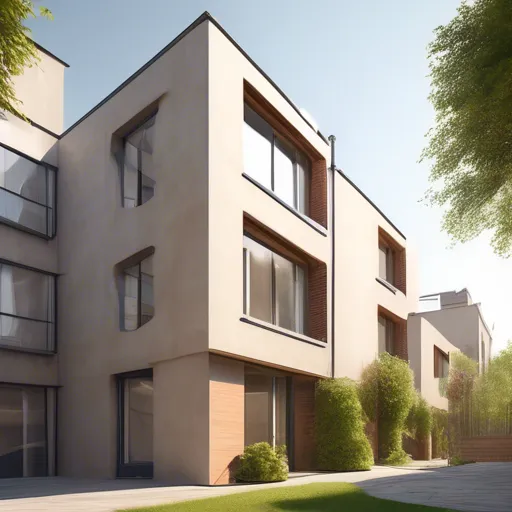
- Pressure Washing
- Manual Scrubbing
- Chemical Solutions
Innovative Techniques
In contemporary renovations, new facade cleaning techniques are emerging, like steam cleaning. This eco-friendly method kills biological growth and lifts dirt without introducing harmful chemicals or excessive moisture, which can otherwise deteriorate certain materials. Steam cleaning’s reach may not cover all types of grime, but its green credentials make it a worthy consideration for environmentally-conscious homeowners.
“The integration of steam cleaning has revolutionized facade maintenance, offering homeowners an eco-friendly yet efficient method,” states Laura Sheppard, a sustainable housing advocate.
Choosing the Right Service
Today, a plethora of professional facade cleaning services are available. From small local businesses to large scale operations, the options can be overwhelming. Key factors to consider when selecting a service include the company’s reputation, experience, and equipment. Look for those offering a comprehensive evaluation of your specific facade needs before diving into the cleaning process.
Quality services will understand nuances like different materials—stone, stucco, or brick—all requiring distinct cleaning approaches. Moreover, they should be transparent about the chemicals and techniques they use, ensuring there’ll be no adverse reactions that might ruin your valuable asset.

- Company reputation
- Experience with specific materials
- Equipment and techniques employed
- Transparent in operational process
Comparative Analysis of Service Types
| Service Type | Pros | Cons |
|---|---|---|
| Local Businesses | Personalized attention, affordable | Limited resources |
| Large Companies | Advanced equipment, reliable | Expensive |
| Specialized Firms | Expertise in niche markets | Higher costs |
Asking the right questions will ensure you’re not just picking anyone but making a thoroughly considered choice that aligns with your home’s specific requirements.
DIY Facade Cleaning: Proceed with Caution
The prospect of DIY facade cleaning is enticing for those who relish the weekend warrior home improvement vibe. However, this path is laden with potential pitfalls. Without professional-grade equipment, homeowners may not fully remove all debris. Moreover, misuse of tools like pressure washers can lead to damage that outweighs the saved cost of hiring a professional service.
For instance, while crafting your sprawling garden oasis or ripping apart the confines of your Khrushchev-era apartment (Real examples and schemes of redevelopment of Khrushchev-era apartments in the interior.), getting sidetracked with moss-clad bricks might detract from the joy of revamping these personal sanctuaries. Ensuring that you’re well-equipped and know exactly what you’re doing is key to safe DIY facade maintenance.
“The potential savings from DIY facade cleaning can quickly be eclipsed by the cost of repairing damage caused by inexperience,” warns Patrick Lowe, a damage restoration specialist.
- Adherence to safety guidelines
- Proper use of equipment
- Awareness of material sensitivity
- Ensuring correct cleaning products
Environmental Considerations
As with any home improvement project, thinking green is not just trendy, it’s essential. Facade cleaning presents its unique eco-dilemmas, considering the chemicals often used and the vast amounts of water needed. Opt for biodegradable products and energy-efficient tools whenever possible.
Companies offering eco-friendly services are increasingly available, making it simpler for homeowners to make responsible choices. Keep in mind, eco-consciousness doesn’t stop with technique or materials; it also extends into choosing local businesses, which minimizes transportation-related emissions.
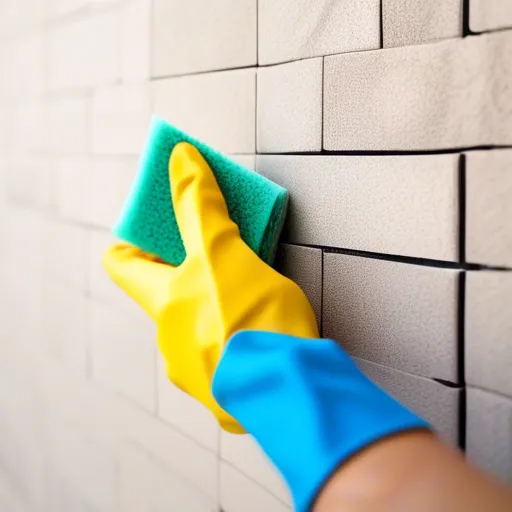
- Biodegradable solvents
- Water conservation techniques
- Energy-efficient equipment
- Locally-sourced services
Future of Facade Cleaning
The world of facade maintenance is continually evolving, marrying technology with traditional methods to offer cleaner, faster, and more sustainable approaches. With advances in drone technology, inspecting facades in hard-to-reach areas is becoming more feasible and less risky.
Moreover, the rise in smart homes and automatic systems means we may soon see facade-cleaning solutions being integrated directly into building management systems, much like sofa transformation systems are becoming staples inside the home.
In the era of seamless living experiences, imagine a world where your facade cleans itself almost as effortlessly as keeping a spotless BMW Series car parked in your driveway (Experience the Luxury of the BMW 6 Series)!
“`html
FAQ
Why clean exterior walls?
Cleaning exterior walls enhances your home’s appearance and prevents damage. It removes dirt, mold, and pollutants that can degrade surfaces over time.
What methods are used for wall cleaning?
Common methods include pressure washing, chemical cleaning, and soft washing. Each method is chosen based on the wall material and level of dirtiness.
Can I clean exterior walls myself?
Yes, but professional services ensure thorough and safe cleaning. Experts use specialized equipment and techniques for optimal results.
How often should exterior walls be cleaned?
It’s advisable to clean exterior walls every 1-2 years. However, frequency may vary based on local environmental conditions and wall material.
“`