When it comes to building materials, the decision between foam concrete and aerated concrete can often leave one bewildered. Both materials have made substantial strides in the construction industry, yet they hold distinctions that could sway your final choice. By delving into their unique characteristics and benefits, you become equipped to make an informed decision tailored to your specific building needs.
The Evolution and Composition of Foam Concrete
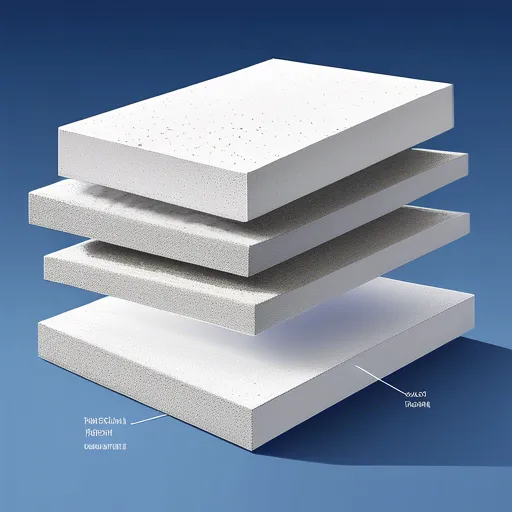
The allure of foam concrete lies in its lightweight nature, achieved by introducing a foaming agent to the concrete mix. This bubbly concoction brings not just reduced weight but improved insulation properties, making it suitable for a variety of building applications.
Historically used in less demanding infrastructure, foam concrete has evolved into a highly versatile material. Particularly in green building practices, its insulating qualities significantly contribute to energy-efficient structures.
Foam concrete is formed when air bubbles, stabilized by a foaming agent, permeate the mixture, producing a material that resembles hardened foam. This unique structure not only saves on material costs but also facilitates ease of handling.
According to construction engineers, foam concrete’s reduced density slashes transportation costs and enables quicker construction timelines due to its lightweight nature.
- Lightweight nature reduces structural load
- Excellent thermal insulation properties
- Cost-effective for non-load-bearing applications
Still, choosing foam concrete isn’t without its downsides. Under specific conditions, its structural strength might not suffice where load-bearing is crucial. Therefore, it is imperative to analyze whether your project requires the additional strength found in alternative materials.
Delving Into Aerated Concrete: Composition and Benefits
Aerated concrete, alternatively known as autoclaved aerated concrete (AAC), has captured significant attention due to its blend of strength and lightness. Created by mixing quartz sand, lime, cement, and water, this concoction is infused with gas-forming materials such as aluminum powder.
This combination enables aerated concrete to maintain a structured rigidity while retaining the benefits of reduced weight. A curious fact about aerated concrete is its formation: once poured into molds, the material is allowed to rise like dough, after which it is steam-cured.
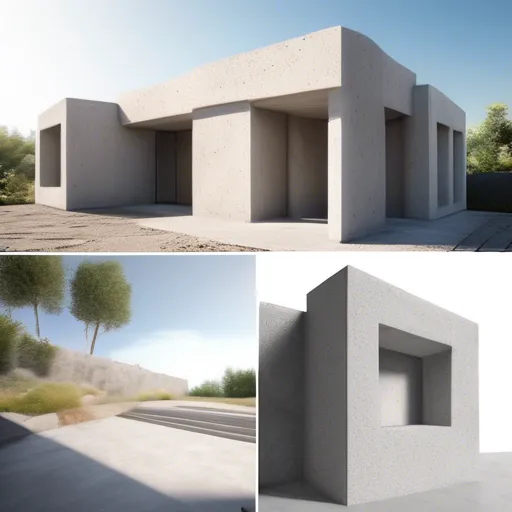
This time-tested material has a reputation for sound insulation, making it an asset in residential properties where peace and quiet are highly sought. What’s more, AAC blocks are celebrated for their fire resistance, offering both peace of mind and regulatory compliance.
“Aerated concrete is superior in acoustic separation,” notes architect Jane Doe. “Its ability to dampen sound makes it ideal for multifamily dwellings or commercial spaces.”
- Perfect balance of strength and lightness
- Superior sound insulation
- Highly fire-resistant
Despite its attributes, aerated concrete does present challenges, especially in terms of moisture absorption. Ensuring proper waterproofing measures is essential to prevent potential structural degradation over time.
Comparative Table: Foam Concrete vs. Aerated Concrete
| Feature | Foam Concrete | Aerated Concrete |
|---|---|---|
| Density | Light | Light to Moderate |
| Thermal Insulation | High | Moderate to High |
| Sound Insulation | Moderate | High |
| Water Absorption | Higher risk | Moderate risk |
| Fire Resistance | Moderate | High |
Expert Recommendations for Material Selection
Choosing between foam concrete and aerated concrete often boils down to specific project requirements. According to construction experts, assessing the intended structural function is crucial. Foam concrete might be perfect for non-load bearing walls where thermal insulation is a priority.
Conversely, if the structure demands higher strength and soundproofing, aerated concrete is recommended. Not only does it ensure peaceful living environments, but its fire resistance can also enhance the safety profile of the building.

- Consider structural demands
- Evaluate thermal and acoustical needs
- Review potential fire risks and resistance
Avoiding Common Mistakes
It is essential to avoid the pitfall of underestimating the importance of expert consultation in choosing the right material. Overlooking the specific environmental and load-bearing conditions could lead to inefficiencies or even long-term structural issues.
“One must never skimp on professional advice,” advises civil engineer John Smith. “Ultimately, the initial expertise translates into substantial cost savings down the road.”
The Impact of Trends in Building Designs on Material Choices
In today’s world, where sustainability and efficiency take precedence, building material choices like foam concrete and aerated concrete play pivotal roles. The shift towards green building practices has heightened interest in materials that reduce energy consumption.
Decorating a light living room: how to choose a style, shades, finishes, furniture and textiles.
Both foam and aerated concrete align seamlessly with the growing trend of sustainable design, catering to an environmentally conscious demographic.
- Rising interest in sustainable construction
- Need for energy efficiency
- Enhanced importance of sound insulation
These materials are not only fitting for the aesthetic acumen of modern designs but also complemented by emerging decor trends such as overcoming common decorating mistakes and harnessing natural elements like indoor potted trees.
Concluding Expertise: The Final Word on Choice
Summarizing the choice between foam and aerated concrete necessitates a comprehensive understanding of your project’s needs. This not only involves evaluating specific building circumstances but also incorporates broader design goals and sustainability considerations.
As construction evolves alongside burgeoning trends, the adaptability and functionality of foam and aerated concrete remain undisputed. These materials are poised to advance further as innovative solutions in sustainable construction continue to redefine possibilities.
“In the end, the right material choice isn’t just about current needs but future-proofing for longevity,” concludes seasoned builder Sarah Turner.
So whether you’re contemplating a home expansion or a new construction, remember to weigh your options: both foam and aerated concrete offer distinct advantages that might very well define your next building project.
“`html
FAQ
What are foam concrete features?
Foam concrete is lightweight, provides good thermal insulation, and is easy to work with.
How does aerated concrete differ?
Aerated concrete is more robust and offers better insulation compared to foam concrete.
Which is better for building?
The choice depends on structural needs and thermal insulation requirements.
Can experts provide recommendations?
Yes, consulting experts can offer tailored advice for your project needs.
“`