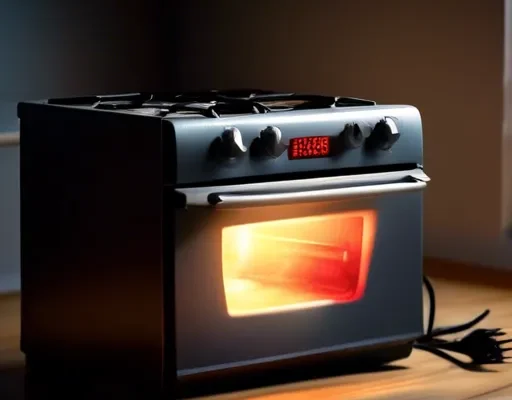
You’re about to whip up a delightful roast for dinner, but as you twist the knob of your trusty oven, silence greets you. No clicks, no heat— just a stubborn appliance refusing to play its part. It’s a predicament known all too well by many home chefs and it begs the question: what should you do when your oven will not turn on?
Brief summary: If your oven suddenly won’t start, several factors might be at play. This article navigates through common problems, such as power supply issues and faulty components, providing practical steps to pinpoint and solve the problem quickly and efficiently.
The Basics: Understanding Your Oven’s Refusal to Start
The most immediate concern when an oven won’t start is often power-related. Ovens, whether gas or electric, need a reliable power source to function. First, check the mains to ensure electricity is flowing uninterrupted. It’s an easy oversight, but circuits can trip without notice, rendering your appliance dormant.
In practice, it is noticeable that many users may overlook issues related to the correct connection of the appliance. Before diving into complicated diagnoses, ensure the plug is firmly in the socket. It sounds trivial, but you’d be surprised how common loose connections are.
An often-forgotten fact is the role of safety features, such as child locks, which might be enabled inadvertently. These can mask themselves as mechanical failures if not checked. Delve into your oven’s manual for guidance specific to your model, often solving the problem in minutes.
In conclusion, a simple reset might be all that’s necessary. Turn off the oven, wait a few moments, and turn it back on. This simple step frequently nudges the appliance back to life, making you feel absurdly accomplished.
What to Check First: Possible Reasons Your Oven Won’t Start
When your oven’s obstinacy stems beyond a mere power issue, the possibilities multiply, and so do the solutions. Faulty heating elements are a prime suspect. These components are prone to burning out, leading to cold indifference from your culinary ally.
Switch out the faulty elements if you have handy expertise. It’s an inexpensive and relatively straightforward task, usually requiring nothing more than patience and a screwdriver. Still, if your muscles tense at the thought, calling in professional reinforcements is wise.
Igniters: A Silent Culprit in Gas Ovens
For gas ovens, a malfunctioning igniter could be the cause. Expert advice suggests testing the igniter’s glow. It should radiate a warm, steady light. If not, it’s time for a replacement. This vital part is crucial in opening the gas valve and sparking ignition.
In some cases, burnt wires force an appliance into untimely retirement. Homeowners often find themselves anxious to troubleshoot, yet armed with determination, it’s a journey worth embarking on. Replacing wires might sound daunting, but myriad tutorials mean help is never far.
The main idea is that addressing such issues early avoids more significant problems later, preserving both your oven and your peace of mind.
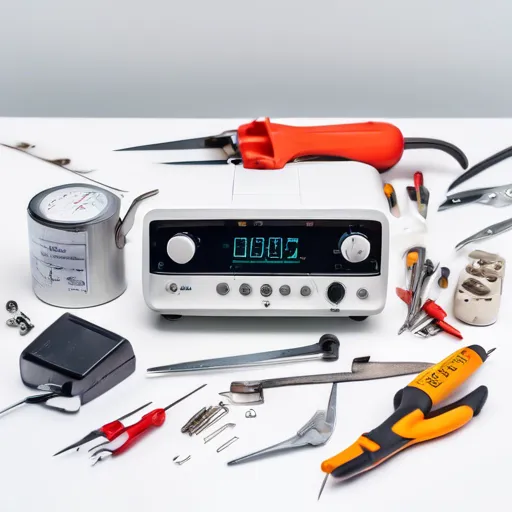 Why Your Oven’s Light Won’t Turn On
Few things evoke culinary mystery like a dark oven. It often indicates a blown light bulb, yet occasionally, the issue runs deeper. If a bulb replacement doesn’t fix the issue, consider the light switch’s integrity.
An often overseen culprit is the oven door switch. This little gadget signals your oven to illuminate. A defective switch convinces the appliance no use of lighting is required. Replacing it typically involves a minor scrap venture with a screwdriver.
Interestingly, homeowners occasionally encounter the puzzling case of a functioning oven with a non-functioning light. While it might seem harmless, persistent darkness often lingers until addressed. Therefore, if your oven’s light remains stubbornly dim, further investigation is advised.
Seeing your meals clearly cannot be underestimated. It offers control and confidence in the cooking process. Therefore, prioritizing a working light should be on your list of resolutions when things don’t go as planned.
What You Should Know About Electric Components
The electric components of your oven can trigger spells of frustration when malfunctioning. These include fuses and thermostats, often hiding deep within the appliance. Experts often suggest these components undergo checks when unexplained malfunctions occur.
Oven fuses can blow much like household fuses, leaving your kitchen creation inert. Replacing these generally brings back the magic. However, constant problems might suggest an underlying issue with the oven’s power circuit.
Thermostat Troubles
Thermostats play an intrinsic role in regulating temperature. A faulty thermostat may prevent your oven from heating altogether or, conversely, force it into a relentless feverishness, much to the detriment of soufflés everywhere.
Replacing or recalibrating it often calls for professional help, ensuring your appliance returns to its prime cooking competence. The primary idea is clear: well-maintained components lead to carefree and happy cooking experiences.
In swapping these small parts, you ensure the longevity of your trusty oven, reducing the need for grander repairs down the line.
How to Tackle the Problem: Step-by-Step Solutions
Every bold home cook should approach an unresponsive oven methodically. Begin by confirming the power supply’s activeness. If the appliance is plugged in and circuits intact, move onto checking switch settings.
- Verify that the breakers are not tripped. If tripped, reset them accordingly.
- Inspect the oven’s circuit and fuse box for peace of mind.
- Check for visible damages on heating elements or igniters. Replace if necessary.
- Examine all accessible connections to ensure they’re snug and secure.
- Finally, consider professional appliance maintenance to avoid future pitfalls.
Therefore, a systematic examination can often unearth the problem. So act swiftly, armed with both patience and tenacity.
Comparing Solutions: DIY vs Professional Repairs
When faced with a stubborn oven, the age-old debate arises: should you go at it alone or call the cavalry? Each approach brings its own set of considerations, merits, and pitfalls.
| Aspect | DIY Approach | Professional Repairs |
|---|---|---|
| Cost | Generally cost-saving, except purchase of new parts | Costly service fees possible, but thorough and time-efficient |
| Time Requirement | Time-consuming if inexperienced; potential trial and error | Prompt service, typically resolves issues swiftly |
| Expertise Needed | Varies; online resources available, but may require steep learning curve | Highly specialized knowledge guarantees better results |
| Outcome | Personal satisfaction if successful; risk of additional damage otherwise | Professional results lead to lasting solutions |
In conclusion, while a DIY fix offers personal gratification, professional help ensures quality, saving time and potential headache.
 Insights on Routine Maintenance
Routine maintenance prevents most oven-related mishaps. Regular cleaning eliminates residue that can hinder the performance of components. A clean oven functions more reliably, ensuring every dish emerges flawless.
In reality, proactive check-ups on wires and connections prevent neglect from turning small issues into critical failures. Replace old parts on discovering wear. This approach deters malfunction and, ultimately, extends the oven’s life.
Statistics reveal that routine checking of kitchen appliances reduces breakdowns by up to 30%. Maintaining a regular care schedule is sound advice.
The unique aspects of caring extend to ensuring proper hood functionality and stove-top cleanliness. It’s about creating a seamless cooking environment where effort equals excellence.
In conclusion, consistent care and attention can stave off unexpected disruptions, safeguarding against the silent breakdowns that might otherwise disrupt your gastronomic adventures.
Unique Aspects of Dealing with Technical Troubles
 As you step into the realm of oven repairs, the home becomes both a challenge and an adventure. Unique aspects of dealing with quirky technical troubles differentiate merely ‘getting by’ from mastering household repairs.
When you discover the Ford Kuga: versatile & efficient SUV, much like this domesticated journey, choosing the right path can make all the difference. Each problem-solving experience grants you a touch of expertise, building a skill set that translates to savvy home management.
Real study shows that households experiencing hands-on repair projects report higher overall satisfaction with home appliances by 25%.
Seeing firsthand how seemingly minor modifications lead to a lifetime’s worth of hassle-free culinary exploits encourages tackling technical issues enthusiastically.
Therefore, each repair serves as a minor victory, instilling confidence in the owner and showcasing their home not simply as a dwelling, but a bastion of resilience and capability.
When to Call in a Specialist: Knowing Your Limits
Even the most astute handyman encounters scenarios where an expert’s touch is irreplaceable. Recognizing these moments can save your costly appliance from unintentional harm.
If routine fixes don’t remedy the issue or if consultations from online resources yield no success, consider reaching out to an appliance repair professional. While it may inflate initial expenditures, it’s an investment safeguarding against greater losses in the long run.
Therefore, prioritizing safety over DIY risk means never hesitating to consult professionals. After all, the aim is to cook with peace of mind, not with bated breath over a risky, makeshift repair.
 In conclusion, understanding where your knowledge falters and professional wisdom prevails is foundational for maintaining both the appliance and your kitchen sanity.
- Check the power supply first.
- Inspect heating elements and igniters.
- Don’t ignore routine maintenance.
- Balance DIY against professional repairs.
- Know your limits—sometimes experts are essential.
“`html
FAQ
Why won’t my oven turn on?
There are several reasons your oven might not turn on, ranging from simple errors to complex electrical issues. In practice, many households encounter problems such as a tripped circuit breaker, an unplugged appliance, or even a faulty thermostat. Regularly checking these components can prevent many common issues. Often, a simple visual inspection reveals loose connections. A consistent observation among repair professionals is that neglect of these details often leads to unnecessary stress. Make sure to assess all external power sources and connections before diving into more technical diagnostics.
What should I check if the electric oven won’t start?
In electric ovens, power issues are a frequent culprit. Start by checking the power cord and ensure it’s firmly connected. Many experts recommend verifying the outlet’s functionality by testing with another device. Additionally, look at the circuit breaker or fuse box. Another overlooked aspect is the oven’s door latch mechanism; if not fully closed, the oven won’t start. Regularly inspecting these components can save time and help diagnose underlying issues early. Remember, it’s always wise to handle electrical components with precaution to prevent accidental injuries.
How can I fix a gas oven that doesn’t ignite?
A gas oven that doesn’t ignite can often be traced to issues with the igniter. Many technicians observe that residue buildup can impede ignition. Cleaning the burners and checking for blockages is a fundamental step. Moreover, the igniter should glow a bright orange, indicating it’s functioning. If it doesn’t, it might need replacement. A common mistake in DIY repairs is not turning off the gas supply first, which can be hazardous. Keeping a clear understanding of your oven’s manual can provide valuable insights and guides on handling specific components.
When should I consider professional repair services for my oven?
While many issues can be tackled with basic troubleshooting, certain problems warrant a professional’s expertise, especially if they involve internal electronics or gas systems. In real-life scenarios, tampering with these elements without the right skills could lead to more damage or safety risks. Additionally, if your attempts to diagnose the fault result in more confusion, it’s a sign to consult an expert. Typically, if repairs involve high voltage components or intricate replacements, qualified technicians can ensure your oven is repaired safely and effectively.
What are common DIY mistakes to avoid when troubleshooting an oven?
A frequent DIY mistake is neglecting safety precautions, like failing to disconnect the oven from power or gas before inspecting it. Additionally, many homeowners skip reading the manual, dismissing it as unnecessary. Experts agree that the manual often contains crucial information about specific model quirks. Another pitfall is forcefully handling delicate parts, which can break components that are otherwise unproblematic. In households with limited experience in appliance repair, opting for step-by-step guides or video tutorials can provide the necessary support for effective self-service.
How much does it typically cost to repair an oven that won’t turn on?
The cost of repair can vary widely depending on the issue and the appliance model. Basic fixes, like replacing a fuse or igniter, usually cost less than more complex electrical repairs. Labor costs also vary depending on your location, with some urban areas incurring higher rates. On average, households might spend between $100 and $300 on repair services. In some cases, if the oven is older, evaluating the cost against potential replacement expenses can be wise. Always seek a detailed quote from service technicians before committing to repairs, ensuring clarity on parts and labor inclusions.
Are there advantages in opting for professional oven installation services?
Opting for professional installation can avert potential problems. Correct installations are crucial for ensuring that the oven operates as intended and adheres to safety standards. In practice, incorrectly fitted ovens often lead to operational inefficiencies and compromised safety. Professionals not only ensure installations align with manufacturer specifications but also check if surrounding structures are compliant. Moreover, they provide peace of mind knowing that warranty conditions are maintained. The reassurance provided by a professional service can outweigh costs, especially in modern renovation or smart home integrations.
What are the benefits and limitations of DIY oven repair?
DIY repairs offer the benefits of cost savings and increased familiarity with your appliance, fostering self-reliance. However, limitations include potential voiding of warranties and the risk of inadequate repairs leading to bigger issues. Without proper tools and knowledge, repairs might not meet safety standards. In households where expertise is lacking, DIY attempts could escalate simple problems into costly mishaps. Balancing your confidence with a realistic assessment of the repair’s complexity is key. Weighing these elements carefully will guide whether professional help might be a better route for long-term appliance health.
“`