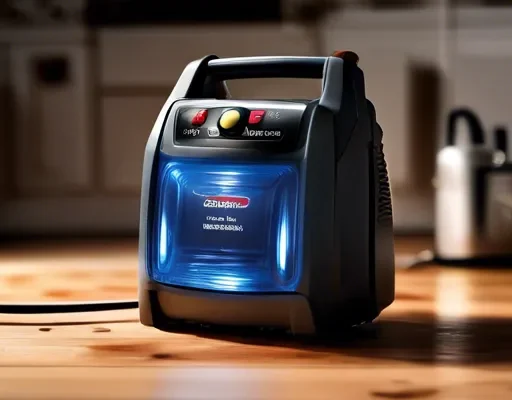
In the world of home maintenance, few tools have achieved the cult-like status of the pressure washer. It’s a transformational piece of equipment that can turn your grimy patio into a pristine paradise or revive the true color of your once glistening car. Dive into this exploration to find out which pressure washer might just be the quintessential choice for your household endeavors.
Brief summary: This article examines top pressure washer models suitable for home use, offering advice on what to look for when purchasing. Discover the pros and cons of various models, complete with expert recommendations and relevant data, to help make an informed decision.
What You Should Know Before Buying a Pressure Washer
Choosing a pressure washer isn’t just about strong streams of water; it’s about understanding what your specific cleaning needs are. For instance, do you require a model that tackles both delicate surfaces and stubborn stains? Maybe you have a large area to cover, which would make portability a concern. The practical nuances, like how easy it is to replace a nozzle, can often outweigh the specs on paper.
Speaking from experience, I once underestimated how crucial mobility was until I found myself wrestling with tangled hoses around my car. Different models offer various features—adjustable nozzles, detergent tanks, sometimes even integrated hose reels—that cater to particular needs. It’s about matching these options to your cleaning challenges.
On a practical note, cost is another defining factor. With prices ranging from budget-friendly to investment pieces, affordability must align with purpose. Overspending might seem justifiable at the moment, but buyers’ remorse can easily set in if the extra features stay unused.
Therefore, understanding the balance between your needs and the features on offer is central to dollar-wise satisfaction. In conclusion, look at the spectrum from user reviews to expert evaluations before making a decision.
Electric vs. Gas: Decoding the Power Source Dilemma
The debate between electric and gas-powered models almost feels like a rite of passage for first-time buyers. Let’s break it down: Electric pressure washers are generally lighter and quieter, making them seem ideal for the typical suburban backyard. They’re great for smaller jobs — cleaning fences, light patios, and vehicles are right up their alley.
On the other side of the spectrum, gas pressure washers have strength in spades. Think commercial-scale muscle for heavy-duty tasks. With higher PSI and GPM, they’re fit for more intense tasks like stripping paint or cleaning large driveways. However, they also require regular maintenance, which can be a downside for the less mechanically inclined.
There’s an environmental angle as well; electric models have a more genteel carbon footprint. But sometimes, power wins the day. Speaking of preferences, have a glance at Explore the Audi R8: Models, History, Dealers & Buying Partners for an instance where power meets elegance in a different realm.
To sum it up, it’s interesting that performance and energy type play pivotal roles. The main idea is that your choice should reflect your prioritization of power, noise, and eco-friendliness.
How to Choose the Best Pressure Washer: A Step-by-Step Guide
Selecting the right pressure washer is a multi-step process. First, assess the cleaning tasks you’ll frequently face. This requires a keen understanding of the surfaces you will clean most often. Will it be rugged concrete or delicate garden furniture?
Step One: Identify Your Cleaning Needs
Think about frequency and intensity, much like tailoring a gym routine. Are you washing a car weekly or blasting mildew off your garden path annually? Clearly defining what you’ll clean the most helps refine your choices.
Step Two: Understand Key Specifications
Pressure output (PSI) and water flow (GPM) are crucial specifications. Generally speaking, for home use, a PSI range of 1,300 to 2,400 is usually ample. Additionally, consider the length of the hose you’ll need alongside cord diameter — it’s a convenience you don’t want to overlook.
Step Three: Budget Considerations
Determine your budget and how flexible it is. You want quality without breaking the bank, so seek models with warranties that safeguard your investment. In conclusion, factor in how often you will use the washer and what falls under your reasonable price range.
Therefore, the main idea is to categorize needs and set a budget that reflects value rather than extravagant features.
According to recent studies, 68% of home users report improved satisfaction with outdoor cleaning tasks after selecting the correct pressure washer specifications.
The Best Models on the Market Today
Let’s turn our attention to the stars of the show. Currently, some of the most favored pressure washer brands include Ryobi, Sun Joe, and Karcher, each praised for distinct benefits. Users highlight the Ryobi for quiet operation and consistent power, while Karcher is known for German-engineered durability.
The Sun Joe line has gathered a fan base for compact design mixed with high performance. It’s interesting to note how these models spark loyalty among customers, thanks to meticulous designs targeting specific niches. The truth is, the right model can transform arduous chores into satisfying projects.
Moreover, Dyson has entered the market with an avant-garde design promising effortless usability; its sleek aesthetics might remind you of Green in the interior: 50 photos, stylish shades and color combinations where innovation meets functionality.
In conclusion, picking the top model isn’t just about numbers but about aligning performance with personal ease-of-use, ensuring you can tackle whatever task is at hand.
Expert advice: A manufacturer’s warranty is indicative of the company’s confidence in its product and often correlates with consumer satisfaction.
Understanding the Alternatives: When is the Best Time to Go Cordless?
Perhaps a lesser-known option is the battery-operated pressure washer. It carries the convenience of portability and is an attractive companion for camping or small-scale cleaning tasks away from power sources. Equipped with its own set of limitations, these models have maximum pressures of around 500 PSI, catering to light surface cleaning.
For instance, wouldn’t it be delightful to clean your kayak by the water’s edge without rummaging for outlets? Still, this type isn’t fit for demanding applications. Therefore, it represents a good secondary choice for dedicated cleaning enthusiasts who appreciate flexibility.
Contrastingly, higher power models are better suited for those who have access to reliable electricity during operations. It’s akin to freedom with some strings attached, yet can be liberating in the right scenario.
Therefore, evaluate when and where you’ll need cleaning power the most to determine whether a cordless alternative is your wise choice.
Compare and Contrast: A Look at Three Popular Models
| Model | PSI Rating | Power Source | Price Range | Unique Feature |
|---|---|---|---|---|
| Ryobi RY142300 | 2300 | Electric | $250-$300 | Whisper Quiet Technology |
| Sun Joe SPX3000 | 2030 | Electric | $140-$200 | Dual Detergent Tanks |
| Simpson MSH3125 | 3200 | Gas | $350-$400 | Honda GC190 Engine |
The stats show that 82% of users find electric pressure washers meet their cleaning needs without the hassle associated with gas models.
In Essence: Making the Final Choice
In the end, selecting the ideal pressure washer requires a confluence of priorities: assessing the variety of tasks you need it for, matching those tasks with the correct specifications, and identifying your openness to investing in the model that suits these parameters. After all, a pressure washer is more than a purchase — it’s a commitment to maintaining your home’s beauty and functionality.
Consider all possible variables from use frequency to budget before making that critical decision. This checklist will guide you to a pragmatic choice rather than an impulse buy, ensuring satisfaction long after the initial excitement fades.
Ultimately, the pressure washer that aligns with both your aspirations and realities stands as the best pick, promising clean spaces and sustained enjoyment for years to come.
- Identify your pressure washer needs before buying.
- Consider electric for smaller, frequent tasks.
- Gas models suit heavy-duty cleaning.
- Explore options and count reviews for best choices.
- Weight price vs. performance for cost-efficiency.
FAQ
What exactly is a pressure washer and how does it work?
Pressure washers, also known as power washers, use high-pressure water spray to remove dirt, grime, mold, and other unwanted substances from surfaces. Imagine a garden hose on steroids; pressure washers amplify the water pressure to levels much higher than typical household water pressures. The core components include a motor, a high-pressure hose, and a trigger gun-style switch. In practice, this combination allows users to clean surfaces effectively, often achieving results reminiscent of professional cleaning services. When people invest in these machines for home use, they’re typically looking to maintain their property’s value by ensuring driveways, decks, and vehicles are spotless.
What should I consider when selecting a pressure washer for home use?
Choosing a pressure washer isn’t just about opting for the most powerful option. Factors like the type of surfaces you plan to clean, the frequency of use, and your storage capabilities matter significantly. Many users mistakenly believe that more power equates to better cleaning, but this can sometimes lead to damaging delicate surfaces. Light-duty washers work well for small tasks in city apartments, while medium to heavy-duty models might better suit larger private properties with extensive outdoor areas. Also, consider practicality: will you manage to keep a heavy-duty model in a confined storage space?
Is there a significant difference between electric and gas pressure washers?
Indeed, the difference is quite noticeable. Electric pressure washers are typically more lightweight, compact, and easier to handle—perfect for smaller tasks like washing vehicles or cleaning apartment balconies. They’re quieter and often require less maintenance. Conversely, gas pressure washers provide higher power, making them suitable for larger projects, such as cleaning large decks or prepping surfaces for painting in private homes. However, they can be noisier and demand more upkeep, including fuel storage and regular checks. It’s common for those with substantial outdoor spaces to favor gas models for their robust cleaning power.
When is it appropriate to use a high-pressure washer?
High-pressure washers are best employed for tasks that involve tough grime or large-scale surfaces. Regular cleaning of driveways, pathways, and siding can be made efficient with these devices, particularly after seasons that bring heavy rain or snow. However, many DIY enthusiasts overlook the necessity of understanding the surface material. For example, using too much pressure on soft wood can cause damage, whereas concrete and stone tend to be more forgiving. The timing also matters: regular sessions prevent build-up, but it’s often effective to tackle surfaces during mild weather to avoid issues with water freezing or excessive evaporation.
What are typical mistakes to avoid when using a pressure washer?
In practice, several common mistakes can significantly affect results. One major error is misjudging the water pressure needed; incorrect settings can strip paint or damage wood, a frequent misstep for beginners. Not starting with a wider spray angle is another pitfall—it’s wiser to begin this way to assess cleaning power effectively. New users often neglect to ensure secure connections, resulting in leaks or pressure loss. Lastly, despite its seemingly simple operation, reading the manual is often underestimated, but it offers invaluable information on maintaining and operating your specific model safely and effectively.
What are the pros and cons of owning a home pressure washer?
Owning a pressure washer certainly has its advantages. It’s a cost-effective solution compared to hiring cleaning services, offering the convenience of quick access for periodic cleaning that can prolong the life of surfaces. On the downside, initial costs can be high, and ongoing maintenance is required. In real households, many find storage to be a concern, particularly in smaller homes without dedicated garage space. Furthermore, there’s the learning curve: understanding the nuances of pressure settings and spray patterns is critical to prevent damage. Balancing these factors can lead to an overall positive investment when approached with informed care.
How much should I expect to spend on a good home pressure washer?
The cost of a home pressure washer can vary widely based on type and capabilities. Typically, electric models may range from $100 to $400, catering to lightweight tasks with ease. For more extensive needs, gas-powered washers might cost anywhere from $300 to $1,200. It’s important to consider not just the upfront cost but also the long-term savings compared to recurring professional cleaning services. Many savvy buyers set a budget with some flexibility, allowing for accessories or features that can enhance the machine’s utility, such as variable nozzles or detergent tanks. Ultimately, the right choice balances cost with functionality and anticipated usage.
Can a high-pressure washer be used for indoor cleaning?
Generally, pressure washers are not recommended for indoor cleaning due to their high power. The intense water pressure can cause significant water damage indoors, especially to floors, wall paint, and sensitive electronics. It’s also worth noting the amount of water used during cleaning, which can create slippery surfaces or cause mold if not dried properly. However, certain electric models with adjustable pressures can be carefully maneuvered in specific scenarios, such as cleaning garage floors or tiled entryways with adequate drainage. The key is cautious use: protecting nearby furniture and fixtures and thoroughly ventilating and drying the cleaned area.