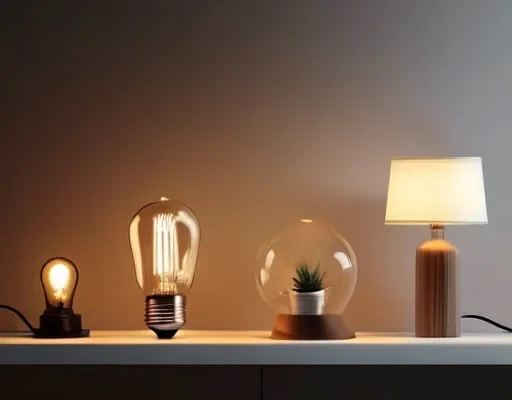
Lighting, a fundamental element of interior design, often goes underappreciated until the bulbs flicker or frustratingly dim while we attempt to chop onions. Different types of lighting lamps present a tangled web of light spectrums and energy know-how worthy of any homeowner’s attention. If you’re teetering on the brink of a new lighting decision, pull up a chair, make yourself comfortable, and let’s shed some light on the key distinctions.
Brief summary: Discover the nuances of various lighting options, from the charm of old-school incandescents to the eco-friendly appeal of LEDs. Uncover expert recommendations for choosing the best lighting for your home, and explore designs that celebrate both function and style.
The Allure and Disillusion of Incandescent Bulbs
Incandescent bulbs, hailed as luminous marvels of yesteryear, hold a nostalgic allure. They emit a warm, welcoming glow reminiscent of vintage scenes. Yet, in practical terms, they’re energy guzzlers on par with a gas-guzzling muscle car. Skyscrapers lit by these bulbs contribute notably to an evening carbon footprint, leaving environmentalists cringing. Still, incandescents sneak their way into homes through artful designs, where atmosphere trumps efficiency.
In my old Victorian abode, I discovered the quaint charm of these bulbs paired splendidly with aged woodwork. However, reality hit hard when the utility bill arrived. On a brighter note, these bulbs can beautifully complement spaces that prioritize mood over output. Experts argue they’re best reserved for creative endeavors, where immediate efficiency isn’t the primary concern.
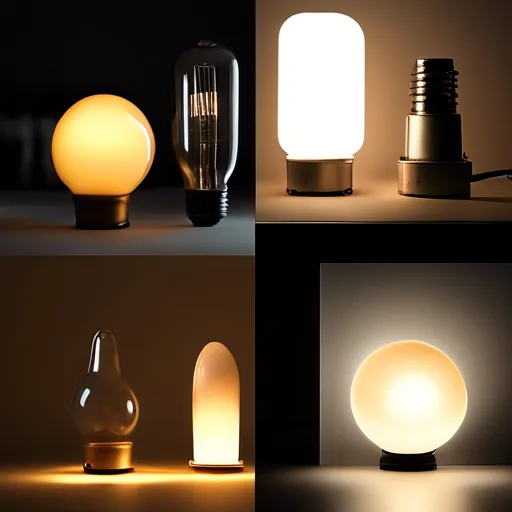
In conclusion, while incandescents add charm, the trade-off for increased power consumption is considerable. These bulbs might not bask in the limelight of modern efficiency but certainly illuminate nostalgia.
What You Should Know About LED Technology
In the land of modern lighting, LEDs reign supreme. These trailblazers of illumination offer a kaleidoscope of colors and unprecedented cost savings—a rebellion against older, inefficient foes. They boast of longer lifespans, needing change less frequently—a boon for those of us who dread ladder escapades.
LEDs not only drench spaces in vibrant glow but also come with adjustable color temperatures. You can easily set the ambiance from cool morning tones to warm evening hues, bringing versatility to your fingertips. This has been a game-changer for my own balmy reading nook, where I swing between moods with the flick of a switch.
The initial investment in LEDs might raise an eyebrow; however, over time, energy savings practically pay you back. Their minimal heat emission is a bonus for those sweltering afternoons when the last thing you need is an added heat source. That’s quite a revolution considering its tiny package size.
Therefore, if you’re charting a course towards environmentally conscious living, LEDs offer not just sustainability but style and smart convenience in every bulb.
When is the Best Time to Use Fluorescent Lighting?
Fluorescent lighting, primarily confined to utilitarian venues, oscillates between efficient workhorse and diluted daylight mimic. Corporations worship these bulbs for their ability to scatter light over wide areas and cut back on electricity bills. Predictably, they find themselves consoling the homes of task-centric interiors.
In practice, it’s noticeable that fluorescents often settle into kitchens and basements—territories commanding clarity over coziness. Their lack of warmth can leave living spaces feeling stark but remain unfaltering in task-focused rooms. Personally, the sterile beams of fluorescents rescued my dim-hued attic turned workspace.
A downside, as critics argue, is their merciless exposure of any dust speck and shadow—what some term as overly honest lighting. Coupled with flickering and buzzing misfortunes, they aren’t necessarily a domestic delight.
In conclusion, while versatile and efficient, fluorescents favor function over aesthetics—ideal for those looking to cast light on productivity.
The Hybrid Wonder of Halogen Bulbs
Halogen lights, the sleek racecars of the bulb world, deliver white lights with precision and intensity. It’s fascinating how they’re inveterately present in designer homes, like baronial castles reflected through a glossy magazine lens. Their resemblance to natural daylight seems almost uncanny.
Owing to their focused light distribution, they often punctuate intricate architectural details and contemporary decor settings. I personally witnessed their brilliance when they took my living room from drab to distinct with an ease I hadn’t anticipated, striking a perfect balance between sophistication and transparency.
Enthusiasts often caution, though, about their short lifespan—an unfortunate trade for their otherwise impeccable lighting. Halogens can also become notoriously hot, evoking summer memories you’d rather forget, and consume significantly more energy than their LED counterparts.
Therefore, as an adaptable yet energy-consuming choice, halogens find their niche among those valuing aesthetics with a penchant for meticulously crafted details in concentrated spaces.
| Lamp Type | Lifespan | Energy Efficiency | Cost |
|---|---|---|---|
| LED | 20,000+ hours | High | Moderate |
| Incandescent | 750–2,000 hours | Low | Low |
| Fluorescent | 7,000–15,000 hours | Moderate | Low |
| Halogen | 2,000–4,000 hours | Moderate | Moderate |
How to Choose the Right Lighting for Your Home
Choosing the right lighting for your home might sound straightforward until you face the maze of options promising to lighten your world. The correct choice hinges on functionality and aesthetics, the pillars of harmonious illumination.
Step one in your lighting journey: Identify the purpose each room serves and how light plays into these activities. Kitchens might demand LEDs for efficient task lighting, whereas living rooms thrive under soft incandescents or adjustable colored LEDs. Avoid generic choices; each space should reflect its unique character.
Consider your home’s design theme when choosing fixtures. Light fixtures should accentuate rather than overpower your decor style. My latest venture into purple curtains taught me how integral lighting is to achieving the desired ambiance, transforming spaces into artful galleries with a simple switch.
Purple curtains in the interior: 75 photos for the bedroom and other rooms.
In conclusion, intelligent lighting choices can enhance your lifestyle and living environment. Style, practicality, and innovation should illuminate your path when selecting the perfect lighting.
Expert advice: Matthew Smith, interior designer: “Don’t just focus on wattage; consider lumens when selecting bulbs for clarity and brightness.”
When Ambiance and Utility Collide
Lighting doesn’t exist in a vacuum. It’s a dance between environment and need, an interplay of form and function. Balancing ambiance with utility requires creativity and understanding of your space’s unique personality.
In reality, tourists often find that lighting can dramatically alter perception in hotels or restaurants. What seems inviting under the right lamp can appear stark without its glow, a testament to lighting’s transformative power. Similar principles apply to our homes, where lighting can either make or break the atmosphere.
For instance, bathroom panel house projects demonstrate the importance of strategic lighting in utility spaces. Optimal placement and selection can dictate whether a room feels confined or inviting.
projects of a bathroom in a panel house with photos and layouts for inspiration.
The main idea is that well-balanced lighting systems combine ambiance and utility, making spaces not only livable but delightful.
Study result: A recent study found that 68% of homeowners felt more comfortable in homes with personalized lighting setups attuned to their activity needs.
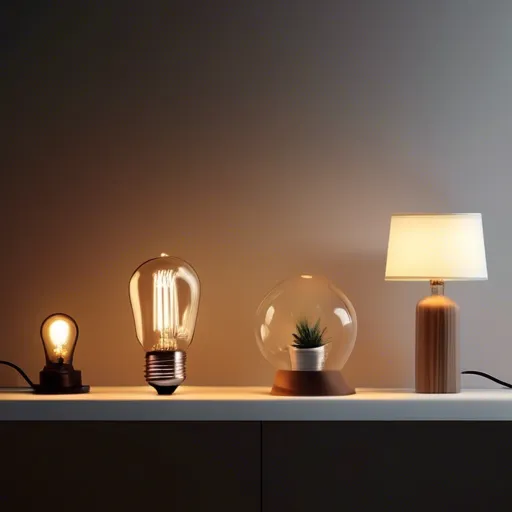
The Fine Line Between Risk and Opportunity in Lighting Choices
Every bright side casts a shadow, and the realm of lighting is no different. Navigating the vast seas of options can be both an enlightening experience and a challenging expedition filled with pitfalls and promise.
The opportunity lies in the vast improvements in energy-efficient solutions like LEDs. Yet, there rests the risk of narrow-minded choices ignoring the holistic needs of living spaces. Weighing these aspects closely resembles trekking on a wire between innovation and convenience.
Imagine, for instance, you chose to apply vibrant, energy-saving lamps in intimate areas, only to achieve a glaring aura unfit for relaxation. Calculated decisions should guide purchases, elevating and refining your habitat. The risks highlight making uninformed choices that contradict the intended room ambiance.
In conclusion, the art of choosing lighting is finding that elusive balance between new-world opportunities and potential pitfalls—the ultimate goal of creating a harmonious atmosphere that transcends mere utility.
- Incandescent bulbs are nostalgic yet inefficient.
- LEDs offer efficiency and versatility.
- Fluorescent lamps suit task-oriented spaces.
- Halogen bulbs provide focused, stylish lighting.
- Select lighting based on room function and style.
FAQ
What are the main types of lighting lamps, and how do they differ?
In practice, the primary types of lighting lamps include incandescent bulbs, compact fluorescent lamps (CFLs), light-emitting diodes (LEDs), and halogen lamps. Incandescent bulbs are traditional, providing a warm glow but are less energy-efficient. They are often used in vintage or classic designs. CFLs are more energy-efficient than incandescent bulbs, but they contain mercury and can take a moment to reach full brightness. LEDs are the most energy-efficient and durable, offering a variety of color temperatures. They have become a favorite for both residential and commercial settings due to their versatility and longevity. Halogen lamps resemble incandescent bulbs but offer a slightly more efficient performance and a brighter light output, often used in task lighting applications. Considering the design and functionality of your space will help in deciding which type suits your needs best.
How can I choose the right lighting fixtures for my home?
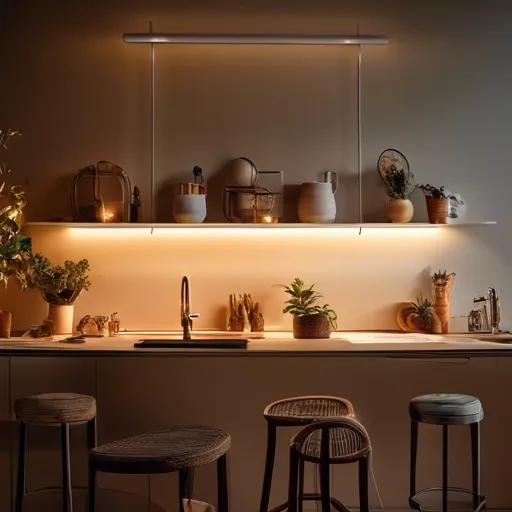
Selecting the right lighting fixtures involves assessing your space’s purpose and aesthetics. Functionality should guide your choices; for instance, kitchen lighting should focus on task lighting with under-cabinet fixtures to illuminate work surfaces clearly. In contrast, living rooms benefit from layered lighting—think a combination of ceiling lights, floor lamps, and table lamps—to cater to different mood settings. Additionally, the fixture’s design should complement your decor style; modern fixtures often feature sleek lines and metallic finishes, while traditional fixtures might incorporate ornate designs and warm tones. It’s crucial to match the fixture type with the intended lighting task to achieve effective and appealing illumination in each room.
What are the advantages and disadvantages of using LED lamps?
LED lamps are highly praised for their energy efficiency and long lifespan, often lasting up to 25,000 hours. Unlike traditional bulbs, LEDs consume significantly less electricity, which can be seen on energy bills, especially when used throughout a home. They also come in various color temperatures, from warm white to daylight, catering to different preferences. However, they are typically more expensive upfront compared to incandescent or CFLs, which can be a consideration for those on a tight budget. Frequently, homeowners initially overlook this cost, but the savings on energy bills and replacement costs often outweigh the initial investment. It’s beneficial to balance immediate costs with long-term savings when deciding on LEDs.
When is it appropriate to use dimmable lighting fixtures?
Dimmable lighting is highly versatile and appropriate in areas that serve multiple functions, such as living rooms or dining areas. The capacity to adjust lighting intensity can transform a space from bright and functional to cozy and intimate, enhancing both its practicality and ambiance. For a home theater or media room, dimmable lighting allows an optimal viewing experience without reflections or excessive glare. It’s noticeable, particularly in real households, that the flexibility of dimmable lighting supports different activities—from reading to entertaining—by transforming the atmosphere instantly. One common mistake, however, is not pairing them with compatible dimmers or assuming all LED fixtures support dimming; checking compatibility is a crucial step before installation.
What are some common mistakes when choosing lighting fixtures for a home?
One often underestimated aspect in selecting lighting fixtures is failing to consider the scale and proportion of the fixtures relative to the room size. An oversized chandelier in a small dining room can overwhelm the space, just as a small fixture may seem out of place in a grand entryway. Another mistake is neglecting the importance of layered lighting—a single ceiling fixture cannot provide all the necessary lighting for a room. This usually leads to spaces feeling either too harsh or too dim. Additionally, overlooking compatibility with existing wiring or bulb types can result in functional issues post-installation. Always ensure that selected fixtures meet the specific demands of the room, both in terms of design and functionality.
How do lighting costs compare across different types of lamps?
The cost of lighting can be broken down into upfront costs and ongoing operational costs. Incandescent bulbs have the lowest purchase price, often appealing for short-term budgets, but their energy consumption results in higher electricity costs and frequent replacements. CFLs sit at a mid-range price point and balance energy efficiency with moderate initial pricing, offering decent savings over time. LEDs, while usually commanding a higher upfront price, provide considerable operational savings due to their reduced energy usage and exceptional longevity, often achieving return on investment within a few years through energy savings. In real scenarios, choosing the right lamp type frequently hinges on weighing initial costs against expected operational longevity and energy efficiency.
What should I consider when selecting a lamp for effective home lighting?
When selecting a lamp for effective home lighting, it is crucial to evaluate the intended purpose. For example, task lighting in home offices or reading nooks requires bright, focused light, often best delivered by LED desk lamps with adjustable heads. In contrast, ambient lighting in living rooms or bedrooms can be achieved through softer options, like table lamps with fabric shades or dimmable features. Additionally, the lamp’s color temperature should align with the room’s desired mood: warm light creates a cozy atmosphere, while cooler tones can enhance concentration in work areas. Many decorators recommend testing different lighting scenarios before making a final decision, as it allows for a real-world assessment of how the lamp performs within specific room dynamics and color themes.
Are there any risks associated with different types of lighting lamps?
While lighting lamps are generally safe when properly used, each type comes with potential risks. Incandescent bulbs can become very hot, posing a burn or fire risk if in contact with flammable materials. CFLs contain mercury, a hazardous material that requires careful handling and specific disposal methods to avoid environmental contamination. LEDs, on the other hand, are known for being safe and environmentally friendly, though they may emit blue light, which some studies have linked to potential eye strain after prolonged exposure. In practice, the risk is often reduced by choosing lamps with built-in safeguards, adhering to manufacturer’s guidelines, and ensuring proper fixture and bulb compatibility. It’s advisable to keep abreast of safety standards and technological advancements that continue to improve lamp safety features.